In four weeks
you'll know the truth.
Admetrics runs beside your current setup on the same orders. About an hour to switch on, no developer, and 21 days free to see whether the numbers hold. Nothing gets switched off, and your history is imported from day one.

Three phases. One agreed timeline.
Four weeks, three phases, and a decision that sits with you at the end of it.
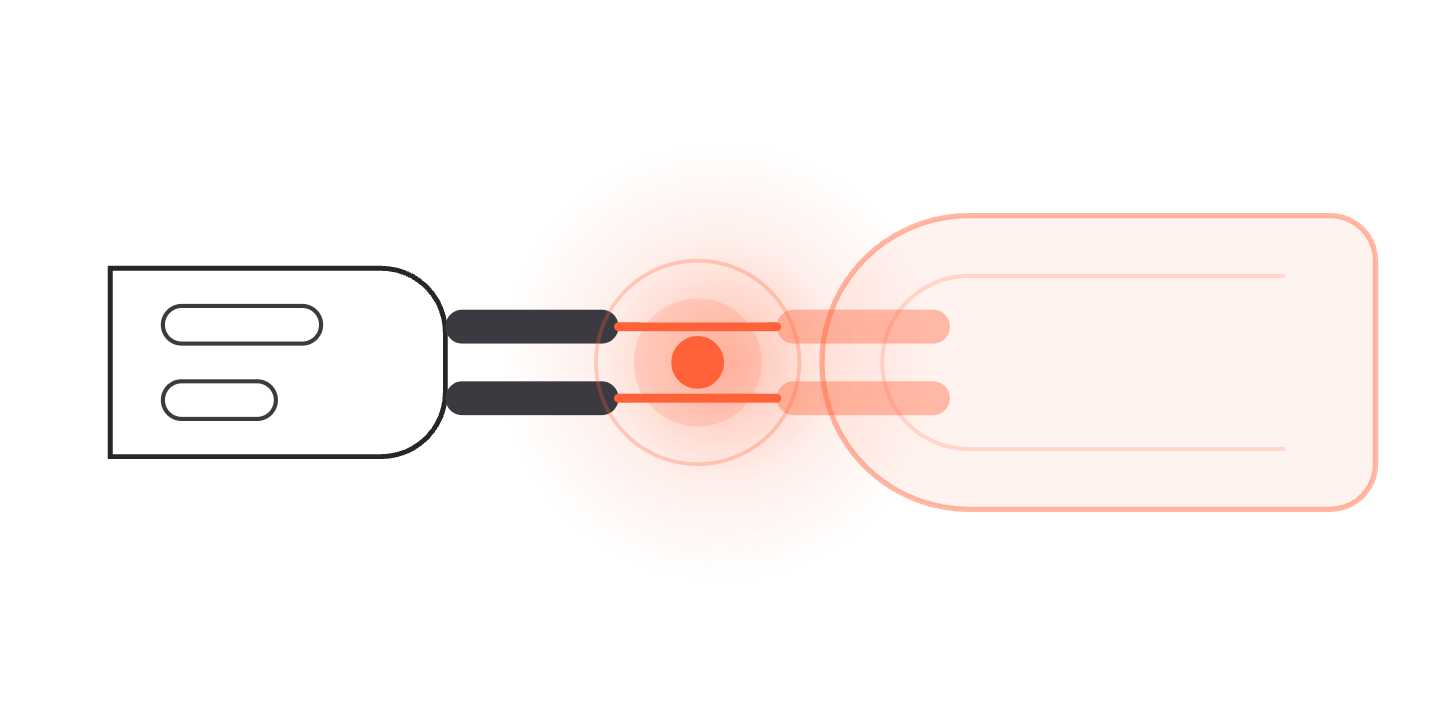
Admetrics goes in next to what you already run. No code freeze, no migration window, nothing switched off.
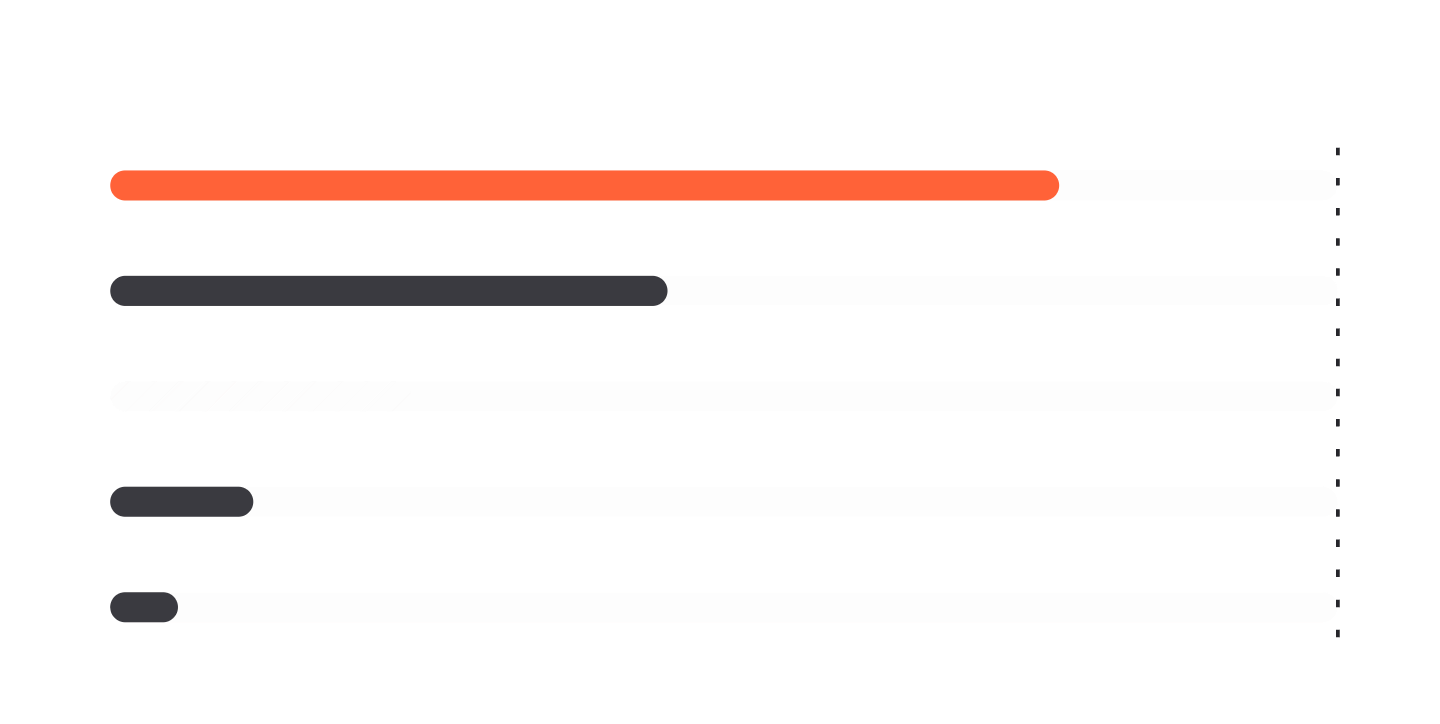
Both systems record the same orders. Results are compared against an independently measured baseline.
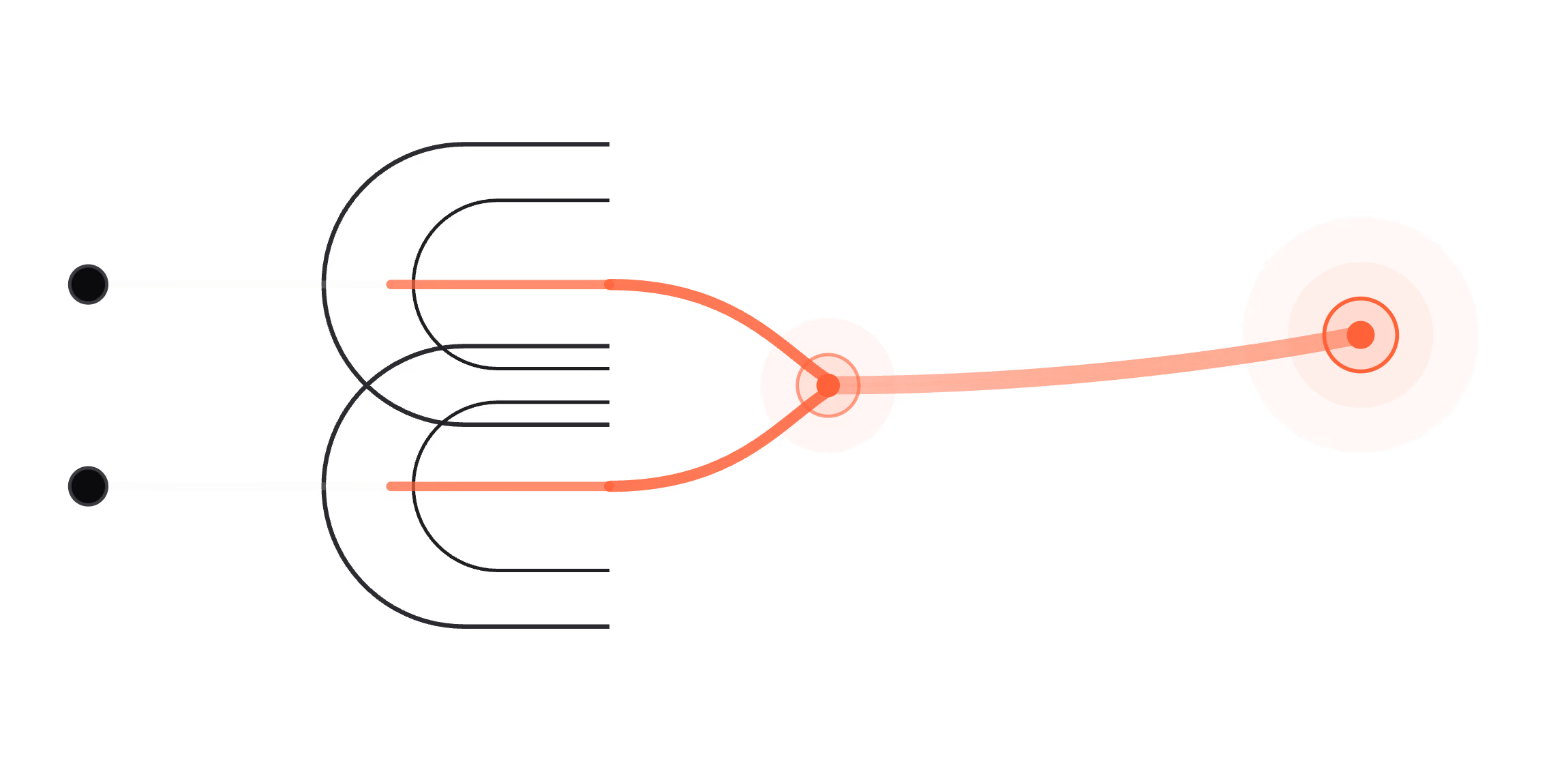
The evidence sits on your own data. Cut over, extend the parallel run, or walk away.
The same orders.
Two different records.
During the validation period both systems watch the same traffic and the same checkout. What differs is how much of the journey survives to the report, and that difference is the whole reason to run the test.
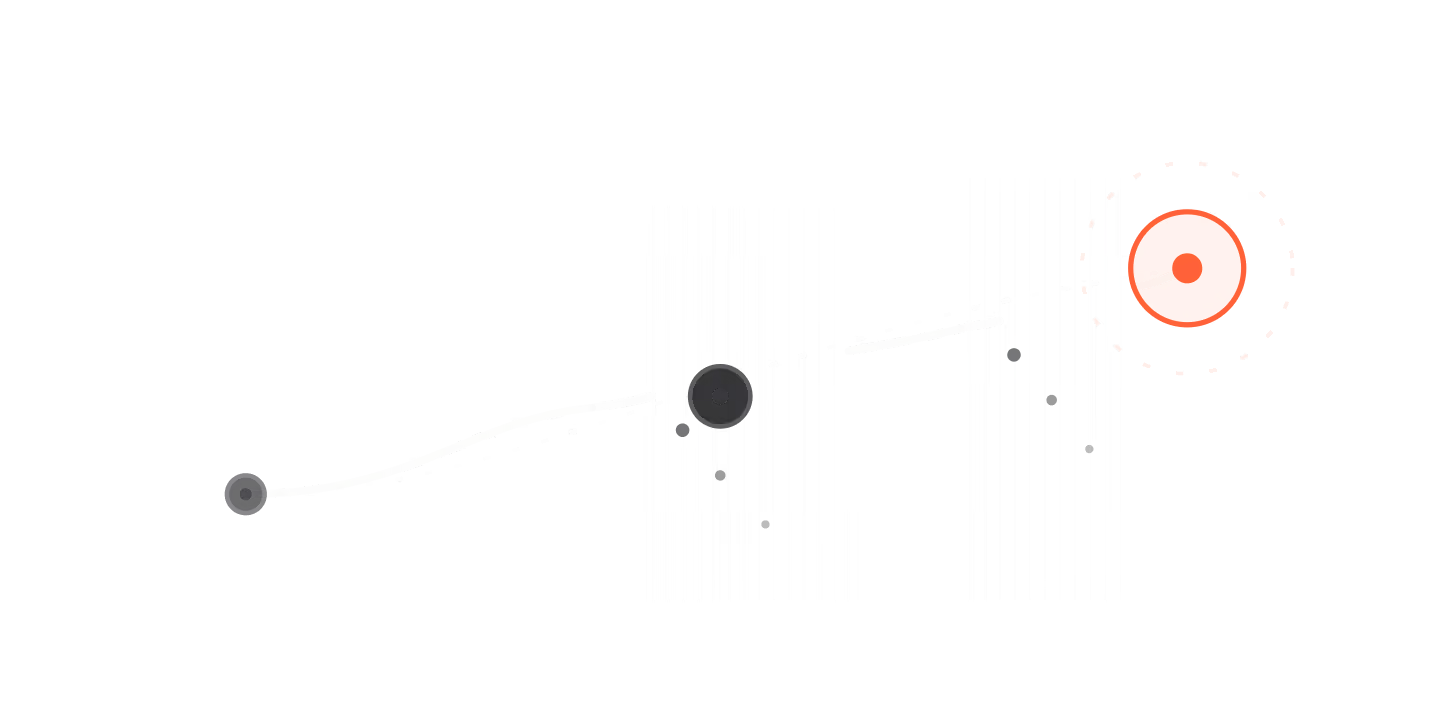
Browser-side pixels lose sessions to consent, ad blockers, Safari and cross-device hops. The orders still arrive; the touchpoints that earned them go missing, so credit lands on whatever was last visible.
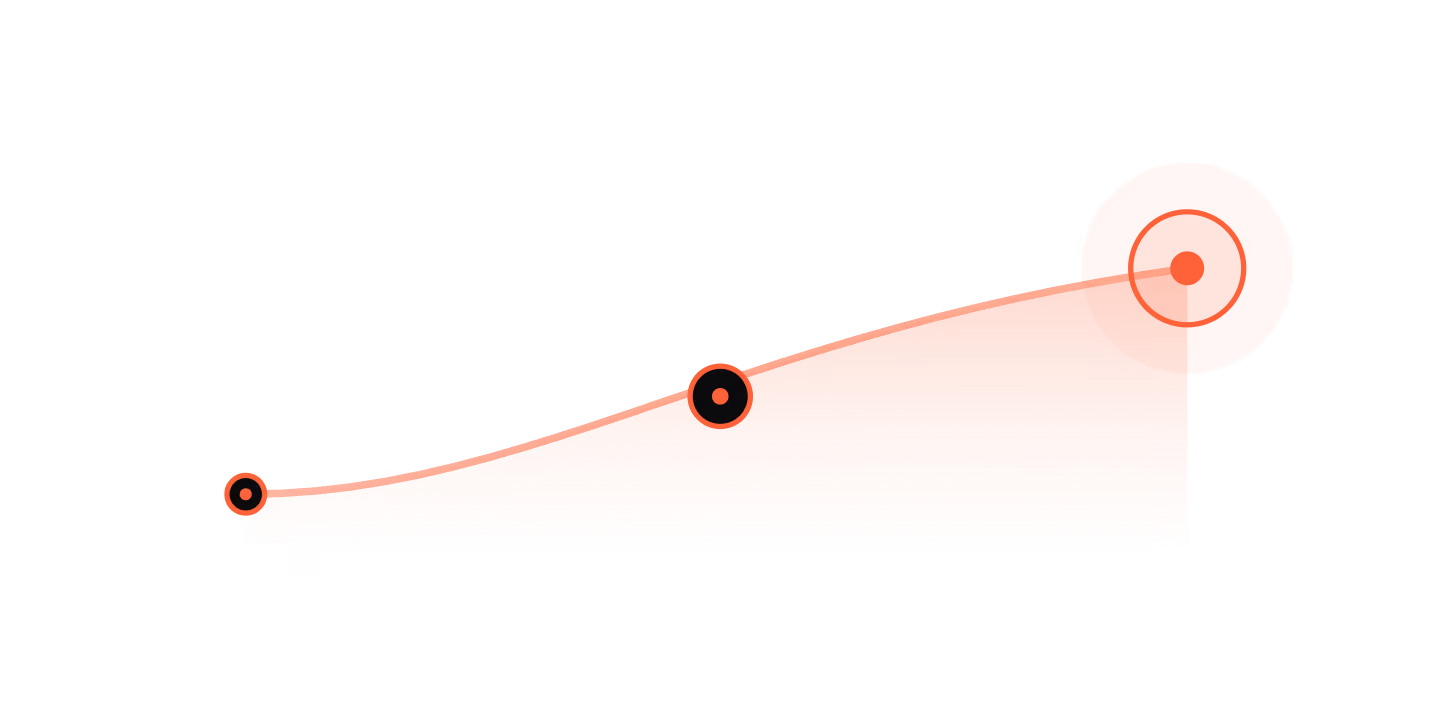
First-party, server-side collection keeps the journey intact and ties every touch back to a named order. You can open any single order and see exactly which channels it passed through.
Admetrics helped us overcome scaling challenges and set a new benchmark for paid-ads.
Your stack doesn't move.
Your shop, ad accounts, marketplace, email and SMS and warehouse all stay where they are. Admetrics connects through 30+ native integrations and reads alongside your current setup. Nothing gets rebuilt, nothing gets moved off the tools you already pay for, and your live campaigns keep running throughout.
 Shopify
 Amazon
 Shopware
 Magento
 WooCommerce
 JTL
JTL Recharge
 Stripe
 PayPal
 Google Sheets
 BigQuery
 Amazon S3
 Google Drive
 Slack
Slack Claude
 OpenAI
 GeminiShopifyAmazonShopwareMagentoWooCommerceJTLRechargeStripePayPalGoogle SheetsBigQueryAmazon S3Google DriveSlackClaudeOpenAIGemini
 Meta Ads
 Google Ads
 TikTok Ads
 Pinterest
 Snapchat
 Microsoft Ads
 Instagram
 Facebook
 X
X LinkedIn
 Criteo
 Taboola
 Outbrain
 Teads
Teads Awin
Awin Tradedoubler
 Linkster
 Klaviyo
 Fairing
 KnoCommerce
 Zapier
 MakeMeta AdsGoogle AdsTikTok AdsPinterestSnapchatMicrosoft AdsInstagramFacebookXLinkedInCriteoTaboolaOutbrainTeadsAwinTradedoublerLinksterKlaviyoFairingKnoCommerceZapierMake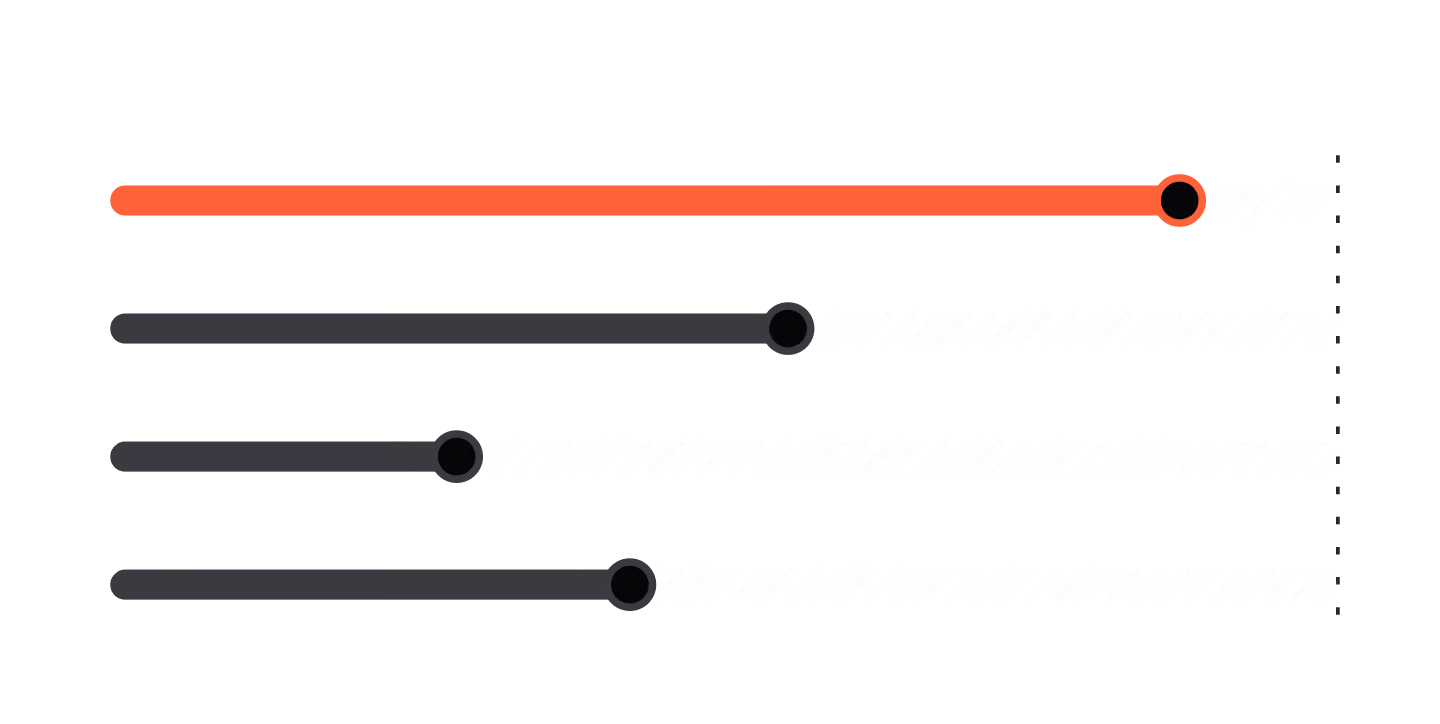
Measurement moves first. Money moves last.
Tracking moves server-side, so the conversions a browser pixel drops get recorded. Profit is calculated below the gross-margin line, on your real costs. Only once both hold up does anything touch a budget.
What you get on the other side.
Three things that are hard to bolt on later and harder to copy: measurement you own, profit calculated on your real costs, and a system that acts on both instead of stopping at the report.
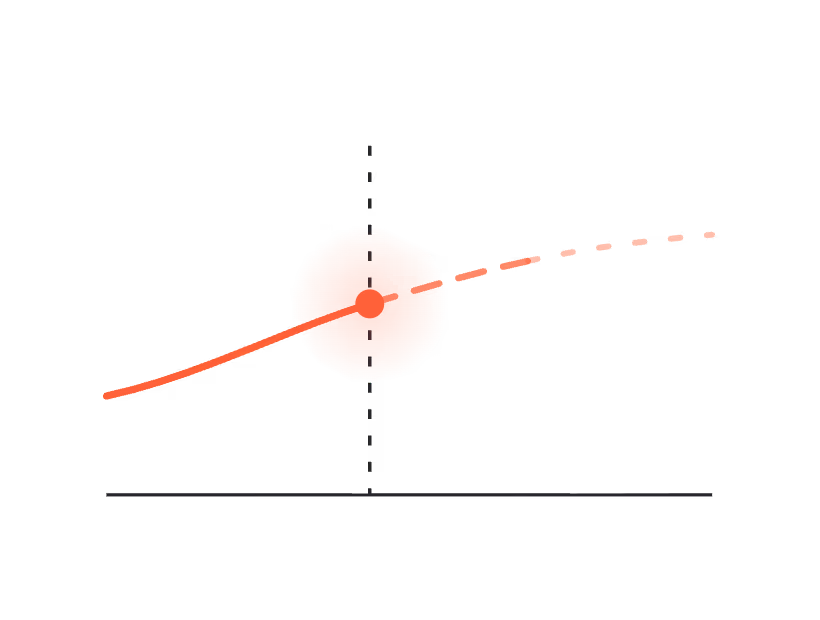
Multi-touch attribution, marketing mix modeling, experiments and first-party server-side tracking resolved into one signal, not a single black-box model you take on faith. Every euro traces back to an individual order.
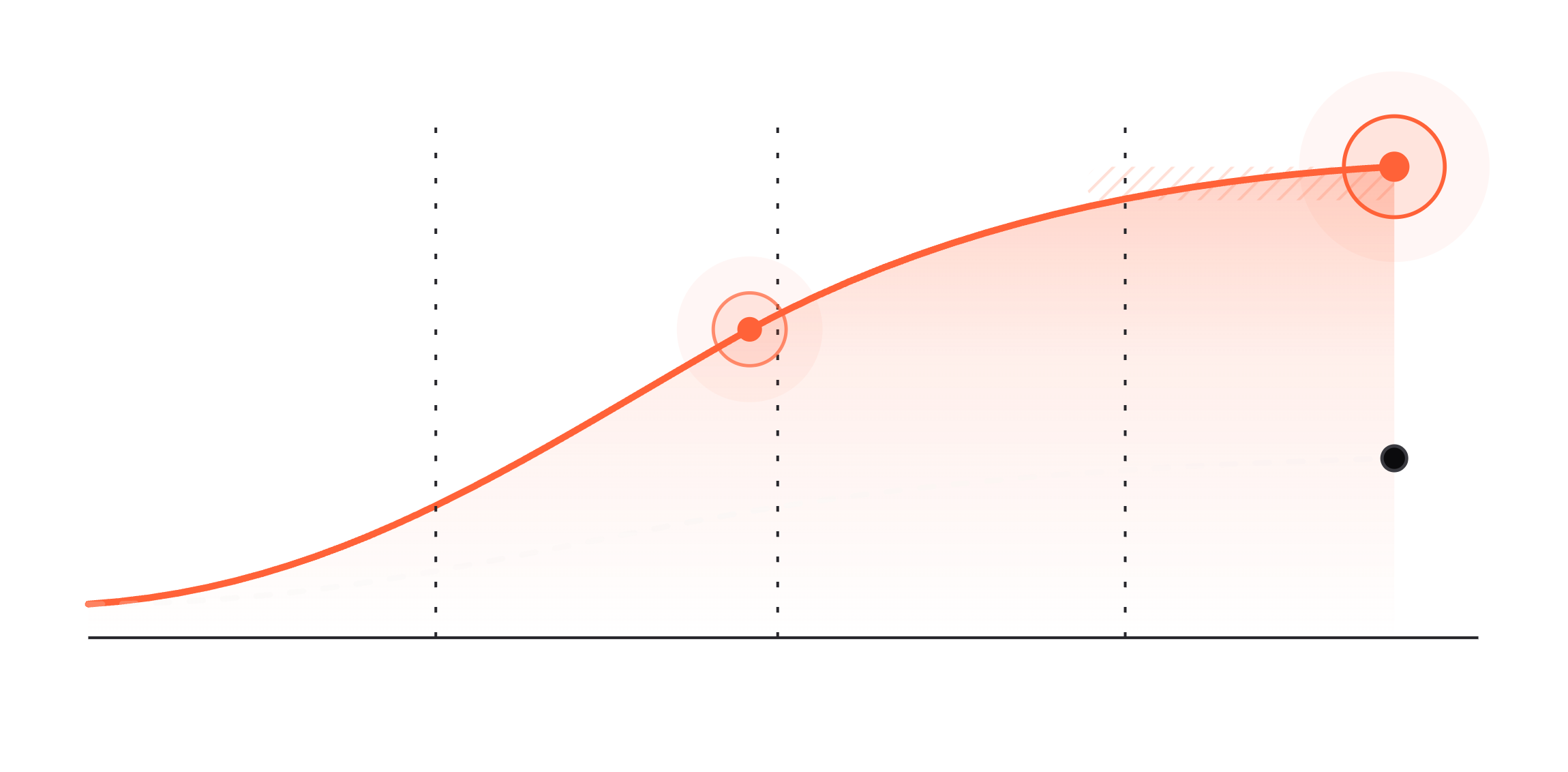
Contribution margin calculated below the gross-margin line on your real COGS, shipping, fees and returns. CM2, POAS and new-customer CAC become the numbers you steer with, per campaign and per product.
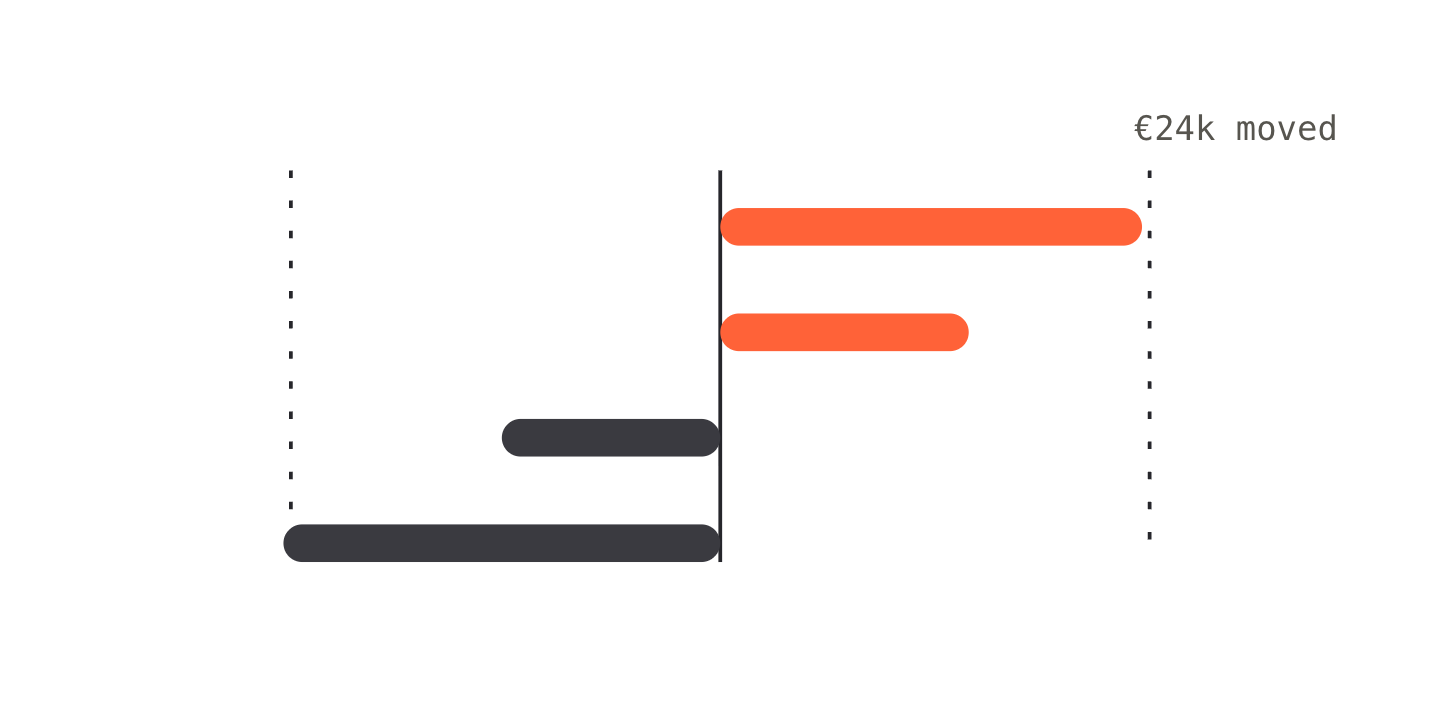
Most tools stop at the report. AdPilot turns the measurement into a cross-channel allocation, executes it inside limits you set, and logs every action with its reason, constraint and outcome. Reversible at any point.
You can stop at any point.
There is no lock-in step in the parallel run. Your existing tracking keeps recording throughout, exports stay open, and the data stays yours. If the numbers don't convince you, nothing has been dismantled.
Your data doesn't leave the EU to get here.
A second tracking system usually means a second round of legal review. Not this one. The paperwork is ready before your DPO asks for it.
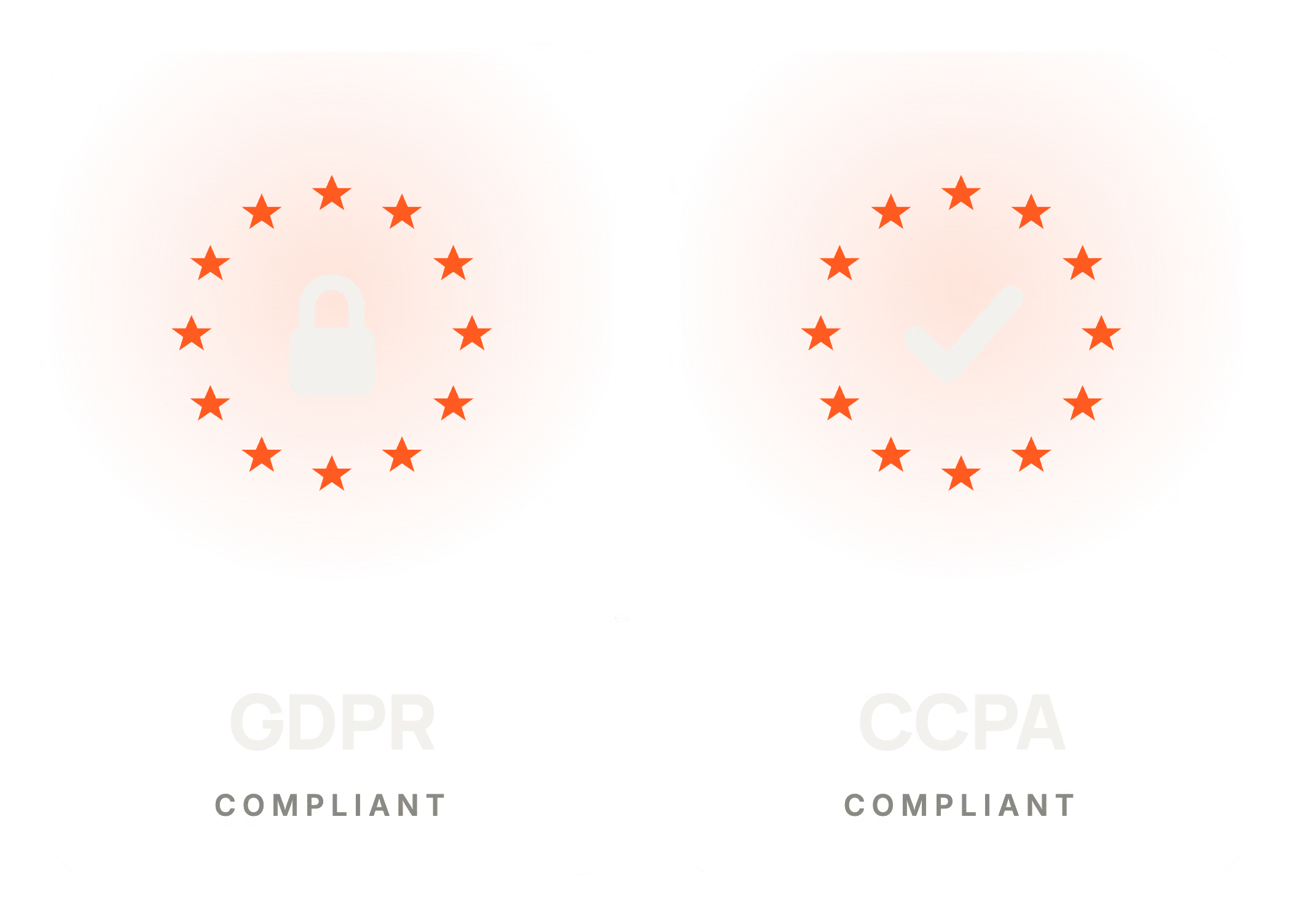
Nothing fires without consent. The pixel respects your CMP out of the box; consent state travels with every event.
Processed and stored in the EU. No third-country transfer, no TIA paperwork inherited from your analytics stack.
DPA/AVV, records of processing and a full audit trail - the documents your DPO asks for, ready before they ask.
No. Nothing has to be switched off on day one. Admetrics runs in parallel with your existing tracking for an agreed validation period, and your current setup keeps recording the whole time.
That is not a problem. The parallel run needs no cancellation, so you can keep your current tool until its term ends and switch over whenever it suits you. Talk to us about the overlap and we will find a fair arrangement for it.
Typically about four weeks. Setup takes roughly two hours; the rest is collecting enough orders for a fair comparison. Higher-volume stores usually have an answer sooner.
They will, and that is the useful part. The gap is where conversions were going unrecorded or being credited to the wrong channel. Every difference traces back to an individual order, so it stays a conversation about evidence rather than opinion.
No. Orders, products, costs and platform spend are backfilled during setup for the periods your systems can provide. Journey-level tracking begins the day it goes live, which is exactly why the parallel run is worth starting early.
We do. Setup is a guided session of roughly two hours with a success manager. The 21-day trial then runs on your own orders, so your team's only real jobs are agreeing the baseline up front and reviewing the result at the end.
Evidence from 100+ brands.
Real quotes, real numbers. Measured by the brands themselves.
 WATCH
WATCH
 CASE STUDY →
 CASE STUDY →
 CASE STUDY →
 CASE STUDY →
 WATCHCASE STUDY →CASE STUDY →CASE STUDY →CASE STUDY →
 WATCH
WATCH
 CASE STUDY →
 WATCH
WATCH
 CASE STUDY →
 CASE STUDY →
 WATCHCASE STUDY →WATCHCASE STUDY →CASE STUDY →
Run it in parallel.
Find out the truth.
Everything Mission Control does.
One closed loop, open to your entire stack: connect, measure, analyze and allocate from the same governed model.
One open data layer - in and out
Every source in, every system out. The same governed model feeds your reports, your ad platforms, your warehouse and your agents.
Measurement as ground truth
Own tracking, attribution, MMM and experiments in one engine — each calibrating the others, so the number you steer on survives scrutiny.
An answer for every question
Profit, marketing, customer and creative intelligence on the same truth — down to product, cohort and creative level.
Keeping control of the next euro
Budget decisions proposed on measured profit, executed inside your guardrails, every action logged and reversible.