Sustainability has evolved from a feel-good initiative to a core growth strategy in ecommerce. High-performing direct-to-consumer (DTC) brands no longer treat it as an afterthought. Instead, they're integrating sustainability into performance-driven marketing ecosystems. This shift isn’t just meeting rising consumer expectations—it’s outperforming legacy tactics across key KPIs like ROAS, LTV, and CAC.
For CMOs, Heads of Growth, and performance marketers, eco-friendly online retail offers a new lever for business efficiency and customer retention. Platforms like Meta and Google reward sustainability messaging with higher engagement, lower CPMs, and stronger Quality Scores. And on the brand side, aligning with eco-conscious values boosts long-term loyalty and equity.
What Is Eco-Friendly Online Retail?
Eco-friendly online retail refers to ecommerce practices designed to minimize environmental impact without sacrificing performance. From product sourcing to shipping and digital infrastructure, every component of the value chain can play a role.
Here’s how DTC brands implement it:
- Partner with ethical suppliers and use sustainable raw materials
- Adopt biodegradable or recyclable packaging
- Optimize fulfillment for lower carbon emissions
- Run data centers and storefronts with energy efficiency in mind
Customer demand is driving this trend. A NielsenIQ study found that 78% of consumers say a sustainable lifestyle is important to them. Brands that deliver on these priorities build stronger customer relationships and outperform competitors on core metrics like LTV and repeat purchase rate.
Why CMOs and Growth Marketers Should Care About Eco-Friendly Online Retail
Eco-friendly online retail is more than a values statement—it’s a high-leverage performance tactic. As advertising platforms evolve, algorithmic signals now favor brands with purpose-driven messaging and responsible practices.
Benefits include:
- Reduced customer acquisition costs (CAC) due to higher ad relevance
- Improved Quality Scores and lower CPMs across Meta, TikTok, and Google Ads
- Stronger engagement with UGC and influencer campaigns
- Greater transparency in supply chain storytelling
When sustainability becomes part of your brand DNA, every creative, landing page, and email becomes an opportunity to reinforce trust and convert with impact.
Laying the Groundwork for Eco-Friendly Online Retail
Adopting an eco-friendly strategy starts with internal alignment. To make sustainability scalable, marketing leaders must connect ethical practices to measurable business outcomes.
Start by:
- Defining KPIs like reduced CAC, higher LTV, and improved conversion rates tied to eco-conscious campaigns.
- Collaborating with supply chain and product teams on changes that don’t sacrifice efficiency.
- Monitoring customer sentiment with brand lift studies and first-party data.
Track these inputs using attribution models. Tag sustainability-focused campaigns to analyze how green messaging impacts conversion paths. Pair that with product-level carbon footprint data for structured Google Shopping feeds to drive visibility and trust.
Timing Your Investment in Eco-Friendly Online Retail
The best time to go green isn’t down the road—it’s today. Market shifts and consumer patterns offer ideal windows for investing in sustainability.
Watch for these cues:
- Higher cost-efficiency in Q3, as holiday research behavior ramps up
- Seasonal events like Earth Month in April that boost green campaign performance
- Platform updates or algorithm changes on Meta, TikTok, or Google that reward relevance and transparency
Moving early gives you first-mover advantage and more pricing flexibility before competitors pivot.
Building Sustainable Brand Equity Through Performance
Eco-friendly online retail directly drives growth, retention, and differentiation. Every sustainable touchpoint adds to your brand story, which customers reward with loyalty and advocacy.
Here’s the impact:
- Cost-saving efficiencies in packaging and fulfillment
- Deeper customer trust and higher referral potential
- Enhanced brand perception in UGC and reviews
For ecommerce teams, using sustainability as a long-term growth lever enables smarter campaign planning, better creative sync across channels, and more precise segmentation of value-aligned audiences.
Where Performance Meets Purpose
Eco-friendly online retail redefines what it means to grow profitably. It creates synergy between your media KPIs and brand mission, delivering compounding ROI and resilience.
As a CMO or performance strategist, embedding sustainability across touchpoints is no longer optional. With regulatory risk, consumer scrutiny, and platform evolution accelerating, the brands that excel will be those that integrate values deeply—and measure them aggressively.
This isn’t trend-chasing. It’s future-proofing.
NIKIN: Where Growth Meets Green
Sustainability isn’t just a buzzword at NIKIN—it’s the foundation of how the brand grows. What began as an eco-conscious mission has evolved into a performance-driven strategy, proving that doing good for the planet also drives measurable business success.
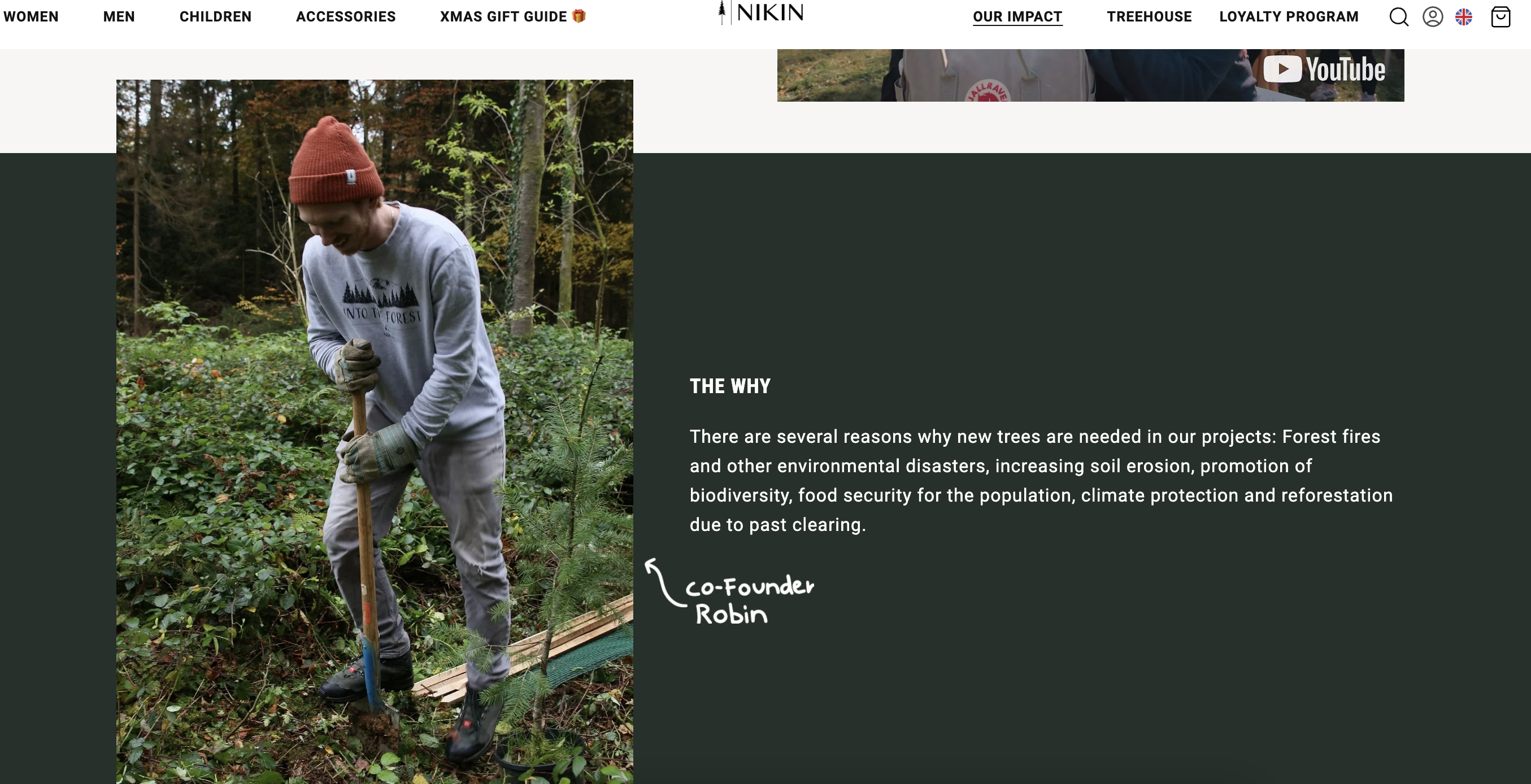
At NIKIN, every product tells a story of responsibility—from ethically sourced materials to carbon-conscious fulfillment. The brand’s commitment goes beyond the product line: every purchase contributes to reforestation projects, turning each sale into tangible environmental impact.
But NIKIN doesn’t stop at sustainability—it scales it. By embedding eco-friendly messaging across marketing channels, the brand connects with like-minded consumers who value transparency and trust. The result? Lower customer acquisition costs, higher lifetime value, and stronger brand loyalty. In a market where consumers reward purpose with purchases, NIKIN is setting a new standard: sustainable growth that performs.
Driving Sustainable Growth in Eco-Friendly Online Retail with Admetrics
Admetrics empowers ecommerce teams to scale eco-friendly online retail through data clarity and performance precision. Our platform translates first-party data into actionable insights, enabling brands to:
- Test incrementality of sustainability campaigns
- Attribute conversion outcomes to eco-friendly messaging
- Identify the highest-performing green initiatives with real-time data
Using privacy-compliant analytics, we help DTC teams eliminate waste in advertising and invest in campaigns that align with both ROI targets and environmental commitments.
Start smarter. Scale sustainably. Explore a free trial or book a personalized demo: https://www.admetrics.io/en/book-demo
Top FAQs About Eco-Friendly Online Retail Every Ecommerce Brand Should Know
What is eco-friendly online retail?
It refers to ecommerce businesses that reduce environmental impact in operations, fulfillment, and marketing.
How can an online store reduce its carbon footprint?
Use carbon-neutral shipping, recyclable packaging, and partner with suppliers who follow sustainable practices.
Are sustainable products more expensive?
Not always. Smart sourcing and efficient logistics can balance price and sustainability.
What kind of packaging is considered eco-friendly?
Materials that are biodegradable, compostable, or easily recyclable—like kraft paper, cardboard, or cornstarch-based plastics.
How does eco-friendly retail impact customer loyalty?
Brands that show commitment to sustainability earn customer trust, leading to more repeat purchases.
Does eco-friendly shipping slow down delivery?
No. Many carriers now offer green delivery options with competitive speeds.
How do I verify if a brand is truly sustainable?
Check for third-party certifications (like B Corp), transparent supply chains, and public ESG reporting.
Can green initiatives improve profitability?
Yes. Lower waste, stronger brand loyalty, and better advertising performance drive long-term ROI. Learn more about transparent supply chain in ecommerce.
What platforms support eco-friendly online retail?
Shopify, WooCommerce, and BigCommerce all offer tools and plugins to monitor sustainability metrics.
How is eco-friendly online retail evolving?
Expect AI-powered logistics, smarter carbon tracking, and rising consumer expectations to shape future growth.
Why should ecommerce CMOs prioritize sustainability?
It enhances brand equity, reduces acquisition costs, and prepares businesses for changing regulations and consumer behavior.