In the fast-paced world of ecommerce and direct-to-consumer (DTC) marketing, campaign finance has become a cornerstone of strategic growth. Once linked solely to political fundraising, today it equips forward-thinking brands with the financial frameworks needed to scale efficiently.
Modern marketing leaders no longer just spend budgets—they optimize investments with precision, aligning financial decisions with KPIs like ROAS, CAC, and LTV. Done right, campaign finance ensures ROI predictability, reduces wasted spend, and keeps media investments accountable.
As Meta, Google, and TikTok evolve their algorithms and ad formats, mastering campaign finance helps marketing teams stay adaptive and profitable. Scaling isn’t just about testing creatives; it’s about fueling the right experiments with smart, data-backed capital.
What Is Campaign Finance in Ecommerce?
Campaign finance refers to how DTC brands raise, allocate, and manage marketing dollars across performance channels. It’s a financial discipline that supports scalable growth by ensuring resources are deployed against clear outcomes.
For ecommerce teams, this means:
- Allocating budgets to top-performing channels like Meta, Google, and TikTok
- Investing in incrementality-driven experiments
- Continuously re-aligning spend with high-impact audiences and creatives
While the term originated in politics, in modern performance marketing goals, campaign finance is about engineered capital deployment. It guarantees financial agility alongside performance transparency, giving growth teams a competitive edge.
Why Campaign Finance Matters for Growth-Focused Brands
Marketers at scaling brands face rising CACs, platform volatility, and growing attribution complexity. Campaign finance helps control these variables proactively.
Key benefits include:
- More accurate budget allocation tied to ROAS and LTV
- Faster decision-making across marketing and finance teams
- Ability to scale spend without eroding profitability
When CMOs or Heads of Growth lead campaign finance strategy—supported by real-time insights and clear KPIs—it keeps the entire growth engine aligned with business objectives. Passive budget management no longer cuts it. High-velocity scaling demands financial fluency across your growth org.
Who Owns Campaign Finance?
High-performing brands assign campaign finance to cross-functional leaders with both strategic and operational oversight. Typically:
- CMOs or VPs of Growth set the investment strategy
- Performance marketers and media buyers execute within flexible budget structures
This alignment avoids common pitfalls like overfunding underperforming channels or missing out on fast-scaling audience segments. Campaign finance owners must:
- Work closely with attribution and incrementality teams
- Leverage dashboards that surface ROAS, CAC, and blended efficiency
- Stay responsive to platform-level changes
A fluid, transparent campaign finance structure ensures brands can iterate quickly without compromising financial discipline.
How to Build a Performant Campaign Finance Strategy
Laying the groundwork starts with centralizing and standardizing your ad spend and performance data. Follow these steps:
- Unify cross-platform data: Standardize reporting from Meta, Google, and TikTok into one source of truth.
- Define shared metrics: Align finance and marketing on key indicators like ROAS, CAC, payback windows, and contribution margins.
- Connect to incrementality frameworks: Treat spend like R&D—link budget decisions to test outcomes and predictive analytics.
Performance marketers often get stuck when platform metrics contradict each other. Unifying campaign finance data clears that fog, unlocking consistent performance evaluation and smarter reallocation.
Timing Your Campaign Finance for Maximum Impact
Avoid waiting until performance dips to focus on campaign finance. Instead, strike when signals show stability and upside potential.
Ideal moments to scale investment include:
- CAC trending down over multiple weeks
- Creatives sustaining above-benchmark ROAS
- Strong signal in holdout or geo-split incrementality tests
Aligning major investments with product launches, holiday windows, or platform updates ensures amplified returns. Do not wait until your ad budget shrinks—proactive finance timing allows teams to double down with confidence.
Think of timing as a multiplier. The right investments at the right moment can produce exponential ROI.
From Framework to Philosophy: Campaign Finance as Strategic Differentiator
Campaign finance is not just a spreadsheet—it’s a growth philosophy. When integrated into daily decision-making, it transforms performance marketing from reactive spend management into a predictable, controllable growth engine.
Brands that execute strong campaign finance strategies:
- Tie budgets directly to KPIs, not gut feel or last-click attribution
- Iterate faster thanks to real-time, shared dashboards
- Make growth both scalable and profitable
Ultimately, campaign finance serves as connective tissue between strategy and execution. It allows senior leadership to maintain financial visibility, while giving performance teams the freedom to scale winners quickly.
In saturated markets where competition, CPMs, and platform favoritism constantly shift, campaign finance is your durable advantage.
How Admetrics Enhances Your Campaign Finance Strategy
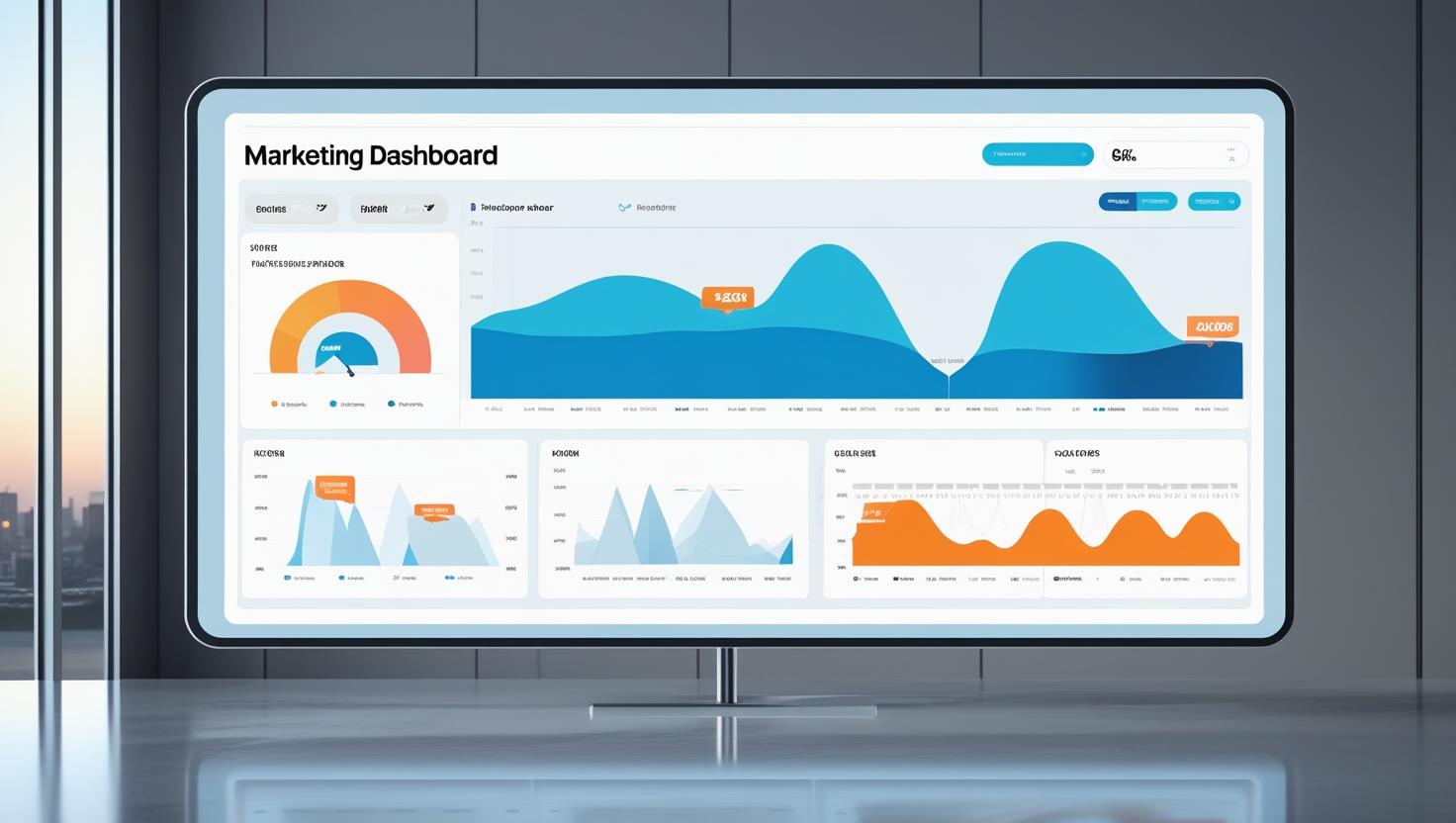
At Admetrics, we help growth-focused brands take control of campaign finance with precision and clarity. Our platform unifies real-time performance data, incrementality testing, and predictive modeling into one actionable dashboard.
What you gain:
- Clear ROI measurement, not just platform metrics
- Cross-channel budget reallocation powered by actual performance
- Confidence in scaling the right campaigns across Meta, TikTok, and Google
For DTC marketers tired of guesswork and spreadsheet gymnastics, Admetrics turns campaign finance into a revenue-driving discipline. Book your free demo and build smarter, more profitable growth today.
Campaign Finance FAQs for Growth-Focused Marketing Leaders
What is campaign finance in ecommerce marketing?
It’s the strategic planning, allocation, and management of ad spend to maximize ROI across channels like Meta, Google, and TikTok.
Why is campaign finance critical for scaling brands?
Because it ensures every marketing dollar aligns with business KPIs like ROAS, CAC, and LTV, leading to more sustainable and profitable growth.
How do we structure our campaign finance strategy?
Start with centralized data, define your core financial metrics, and continuously test for incrementality. Align spend to performance.
What tools support effective campaign finance?
Use attribution platforms, incrementality testing tools, and real-time data dashboards like those offered by Admetrics.
How often should campaign finance strategy be reviewed?
Weekly or biweekly. This cadence allows agile responses to channel shifts, audience fatigue, or budget overperformance.
Can poor campaign finance decision-making limit growth?
Absolutely. Misallocated budgets lead to lower ROI, missed scale opportunities, and ineffective creative spend.
How do the best brands treat campaign finance?
Like a core operating discipline. They bake it into strategy planning, use it to drive creative decisions, and continuously adjust based on real outcomes.
What KPIs matter most in campaign finance?
ROAS, CAC, LTV:CAC ratio, incrementality lift, and contribution margin—all tracked across channels.
How does campaign finance tie into attribution models?
It influences how credit is distributed across the buyer journey and helps identify where budget drives the most incremental value.
Is it possible to scale faster with better campaign finance?
Yes. Smarter financial planning and dynamic spend allocation allow brands to scale what works without breaking performance thresholds.