Bounce Rate Optimization for Online Furniture Retail is not a cosmetic CRO task. In furniture e-commerce, a bounce often equals a paid click that never had a fair shot at becoming revenue.
Furniture shoppers buy certainty, not just a product. They want to confirm fit, materials, delivery cost and timing, return rules for bulky items, and financing options. Therefore, if your first screen does not answer these questions, many visitors leave in seconds.
For growth teams, Bounce Rate Optimization for Online Furniture Retail becomes urgent when CTR looks strong and sessions look cheap, yet PDP views, add to cart rate, and checkout starts stay low. In that case, your ads may work, but your landing experience breaks the promise. Fixing that gap improves conversion rate, protects ROAS, and lowers blended CAC.
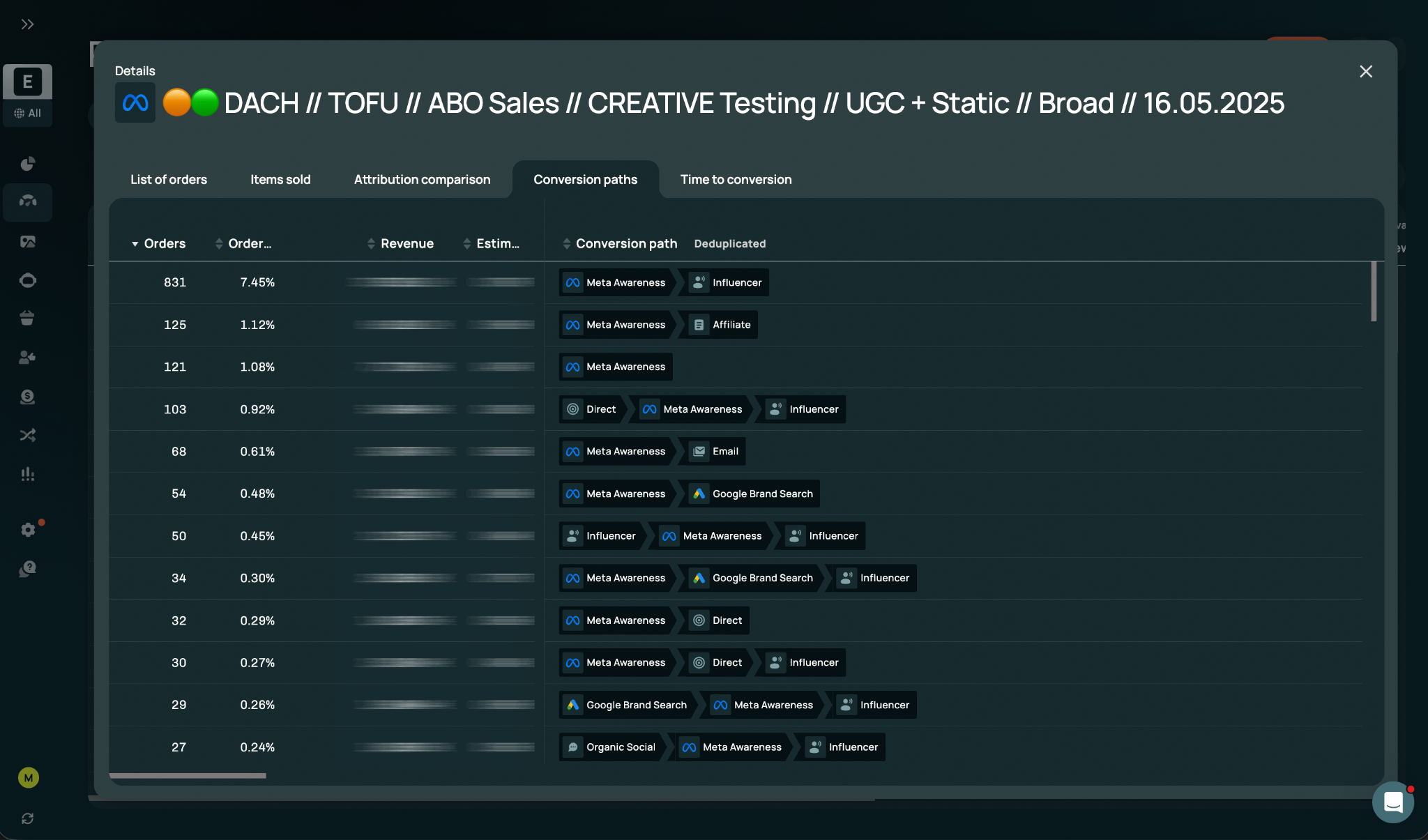
Bounce Rate Optimization for Online Furniture Retail: What it is and why it matters
Bounce Rate Optimization for Online Furniture Retail means reducing the share of visitors who land and leave without a meaningful next step. That next step can include viewing a PDP, using filters, checking delivery to a zip code, or adding to cart.
In furniture, bounce rarely signals low intent. More often, it signals one of these issues.
- Message mismatch between the ad and the page
- Slow mobile load times on image heavy pages
- Missing trust signals for high AOV purchases
- Unclear delivery lead times or return policies
As a result, bounce rate becomes an efficiency metric, not a vanity metric. When fewer paid clicks bounce, you send better signals to ad platforms. That typically improves learning, stabilizes marginal ROAS, and makes scaling spend safer.
The KPI chain: how bounce connects to profit
Bounce is an early funnel metric, but it affects downstream performance. Track it alongside business outcomes so you do not optimize in a vacuum.
Recommended KPI chain:
- Bounce rate and engaged sessions
- PDP view rate and product interaction rate
- Add to cart rate and checkout start rate
- Conversion rate and AOV
- Blended CAC, ROAS, and MER
- LTV to CAC ratio by cohort
If bounce drops but CAC and contribution margin do not improve, you likely attracted more low intent traffic. Conversely, if bounce drops and PDP views rise, conversion rate often follows.
Who should prioritize Bounce Rate Optimization for Online Furniture Retail
Teams should treat Bounce Rate Optimization for Online Furniture Retail as a cross functional growth priority. It sits between performance media, ecommerce, merchandising, and UX.
CMOs and Heads of Growth should prioritize it when:
* Blended CAC rises while traffic grows
* Marginal ROAS compresses as you scale
* Leadership questions why spend increases do not lift revenue
Performance marketers should prioritize it when:
* Meta, TikTok, or Google show strong CTR but weak on site depth
* Creative tests produce “winners” that do not drive incremental revenue
* Mobile sessions spike while add to cart rate stays flat
Product and CRO leads should prioritize it when:
* New navigation, search, or PDP templates launch
* Variant complexity increases, such as fabric swatches or modular sizing
* Delivery constraints, financing, or returns create early friction
Getting started: a practical framework
Start Bounce Rate Optimization for Online Furniture Retail by locating the leak, then tying it to revenue impact. Move fast, but measure carefully.
Step 1: Segment bounce rate the way you buy media
Do not rely on one sitewide bounce number. Instead, break it down by:
- Landing page type: home, collection, PDP, paid landing page
- Device: mobile versus desktop
- Source and campaign: Meta prospecting, branded search, shopping ads
- Geo and language, if relevant
Then connect each segment to conversion rate, CAC, and ROAS. This shows which bounces actually hurt profit.
Step 2: Define furniture specific micro conversions
Furniture shoppers often need multiple reassurance steps before they add to cart. So you should measure those steps directly.
Examples of high intent micro conversions:
- Image gallery interaction and zoom usage
- Swatch clicks and variant selection
- Dimensions or “will it fit” module opens
- Delivery zip code checks
- Financing or pay later accordion opens
- Store locator or showroom page visits
If these actions rise while bounce falls, you likely improved decision confidence.
Step 3: Fix what buyers need to know above the fold
Furniture shoppers decide quickly whether your site feels trustworthy. Therefore, your first screen should resolve the biggest doubts.
Prioritize improvements like:
- Clear delivery timing and cost visibility
- Returns and warranty clarity for bulky items
- Prominent reviews and UGC near the primary CTA
- Simple price anchoring, including financing if offered
- Accurate stock or made to order messaging
Step 4: Test changes with business grade measurement
Run A B tests on your highest entry pages first. Then evaluate impact beyond bounce rate.
Use:
- A B tests for template and messaging changes
- Geo holdouts for larger sitewide changes
- Cohort analysis to track CAC and conversion rate shifts over time
Additionally, validate with incrementality where possible. That keeps the narrative credible when stakeholders ask what actually drove lift.
Common causes of high bounce in furniture ecommerce
Most bounce problems fall into a few buckets. The fix depends on where the intent breaks.
Ad to landing page mismatch
A mismatch happens when the shopper expects one thing and sees another.
Typical examples:
- Ad shows a specific sofa, but the click lands on a broad collection
- Ad highlights a price point, but the page shows higher priced items first
-Creative sells fast delivery, but delivery lead times appear only deep in the PDP
Recommendation: align creative, keywords, and landing pages by style, category, price band, and delivery promise.
Mobile speed and visual stability
Furniture pages often carry heavy images, scripts, and third party widgets. Consequently, mobile users feel the pain first.
Targets to watch:
- Core Web Vitals, especially LCP and CLS
- First contentful paint and time to interactive
Recommendation: compress images, use next gen formats, lazy load below the fold, and audit third party scripts.
Missing trust signals for high AOV products
Furniture is high consideration, and buyers fear regret. So uncertainty kills sessions fast.
Trust builders that reduce exits:
- Reviews with photos and verified buyer labels
- Clear materials and care details
- Transparent return rules and pickup options
- Financing clarity and payment badges
When to run Bounce Rate Optimization for Online Furniture Retail
Timing matters because you want enough traffic to learn, but not so much that you waste budget.
Prioritize Bounce Rate Optimization for Online Furniture Retail:
- Right after a creative or targeting refresh, when ad demand is strong
- After major site releases, to confirm you did not create dead ends
- Four to six weeks before peak periods, when CPMs typically rise
Also treat sudden bounce spikes as urgent. If CTR stays stable but conversion rate drops, you may have a tracking issue, a speed regression, or a messaging mismatch.
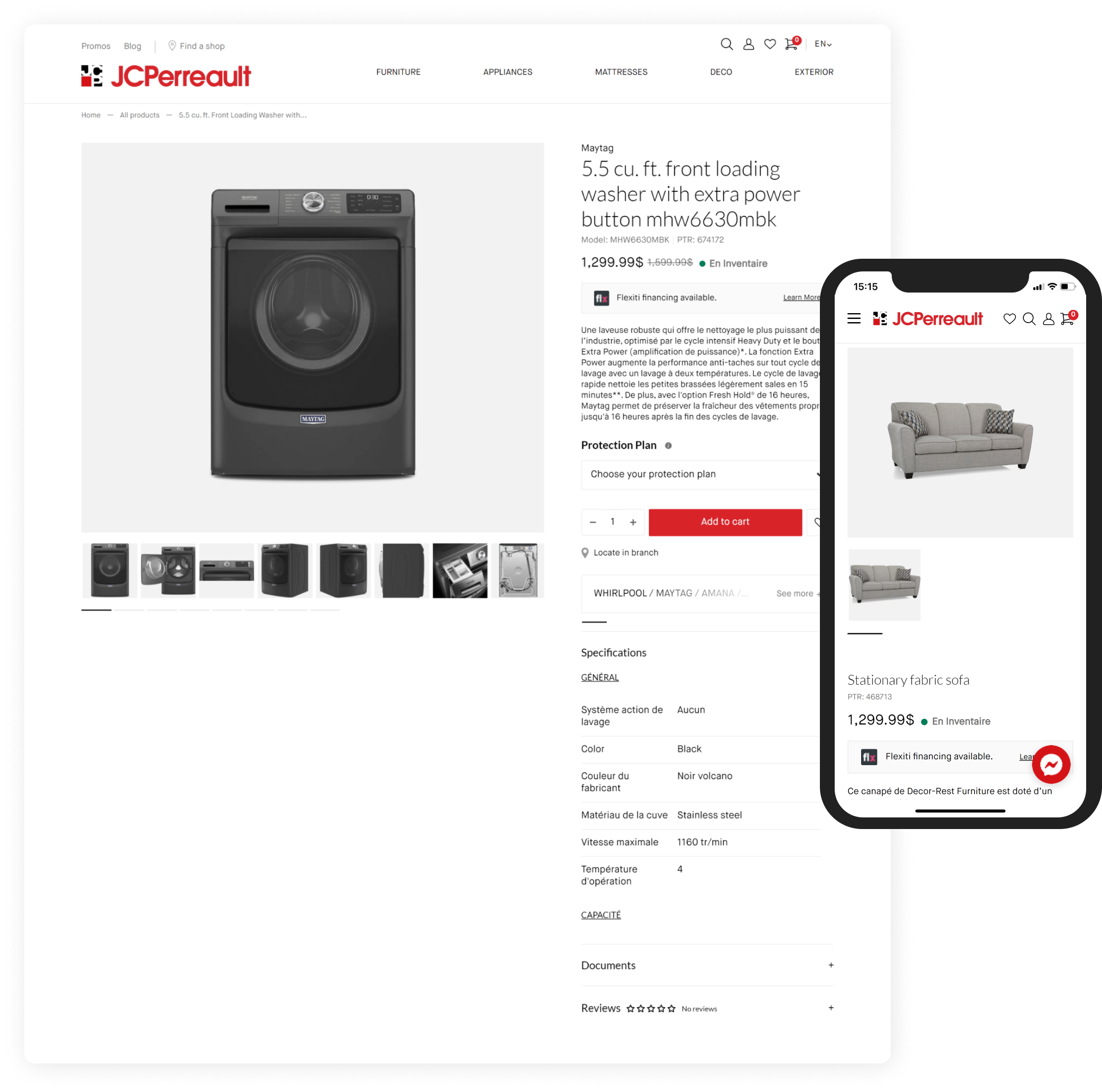
Case Study: JC Perreault
The Context: JC Perreault is a large Canadian furniture and appliance retailer. Despite having strong brand recognition and traffic, their outdated e-commerce platform was causing high abandonment before shoppers could even interact with the products.
The Intervention (Aligning with your "Above the Fold" & "Micro-Conversions" steps): Through a dedicated Conversion Rate Optimization (CRO) overhaul, their team focused entirely on reducing early-stage friction and building buyer certainty.
- Simplified Product Detail Pages (PDPs): They redesigned product pages to make crucial details—like dimensions, materials, and variations—instantly accessible without heavy scrolling. This directly addresses your point that furniture shoppers buy certainty.
- Curated Discoverability: To fix early bounce rates on collection pages, they implemented advanced visual filtering. This helped shoppers easily narrow down complex variants (like fabric swatches and modular sizing) without feeling overwhelmed.
- Unhindered Navigation: They removed structural barriers between the homepage and the PDPs, ensuring the "next meaningful step" was obvious to the user.
The Business Impact:
By aligning the user experience with high-intent shopping behaviors, the retailer saw dramatic improvements across their KPI chain:
- ↓ 60% Decrease in Bounce Rate
- ↑ 100% Increase in Conversion Rate
- ↑ 30% Increase in Average Order Value (AOV)
Scaling profitably with Bounce Rate Optimization for Online Furniture Retail
Bounce Rate Optimization for Online Furniture Retail turns paid traffic into real intent signals. That creates compounding gains.
First, you reduce wasted clicks, which lowers blended CAC. Next, you improve engaged sessions and PDP views, which typically lifts conversion rate. Then you send stronger signals back to Meta, Google, and TikTok, which helps bidding and learning. Over time, that can stabilize marginal ROAS as you scale.
The strongest programs follow a simple operating system:
- Diagnose by segment
- Fix the biggest confidence blockers above the fold
- Improve speed on top entry templates
- Measure with tests tied to revenue and contribution margin
- Feed learnings back into creative and targeting
Conclusion
Bounce Rate Optimization for Online Furniture Retail is a growth lever that protects profitability. It improves conversion rate by reducing uncertainty in the first seconds of a session.
If you already pay for traffic, every unnecessary bounce inflates CAC and weakens ROAS. However, when you align ad promise with landing reality, speed up mobile experiences, and surface trust signals early, you earn the second click. That is where furniture revenue starts.
How Admetrics can help
Bounce Rate Optimization for Online Furniture Retail works best when you connect onsite behavior to the budgets that drive traffic. Admetrics helps you do that by combining cross channel cost data with conversion signals and attribution modeling.
You can quickly identify campaigns that over promise and drive high bounce. Then you can reallocate spend toward ads, audiences, and creatives that generate deeper product exploration and higher add to cart rate. As a result, you improve media efficiency and can scale with more confidence.
FAQ
What is Bounce Rate Optimization for Online Furniture Retail?
It is the practice of reducing the share of visitors who leave after viewing one page by removing early friction. In furniture ecommerce, it focuses on trust, clarity, and speed so shoppers move from landing to PDP and toward checkout.
What is a good bounce rate for an online furniture store?
There is no universal benchmark. Compare bounce rate by landing page type, device, and channel. Then judge performance by downstream KPIs like conversion rate, ROAS, and CAC, not bounce alone.
Which pages matter most for Bounce Rate Optimization for Online Furniture Retail?
Start with your top entry pages, which are often paid landing pages, collections, and PDPs. These pages shape first impressions and drive most paid traffic outcomes.
How does page speed affect Bounce Rate Optimization for Online Furniture Retail?
Slow loads increase exits, especially on mobile. Improve Core Web Vitals, compress images, and remove heavy third party scripts to protect engagement and conversion rate.
How can we reduce bounce from paid social for furniture?
Match the ad to the landing page. Show the right collection, keep price anchoring consistent, and surface delivery and returns info near the top. This improves engaged sessions and helps ad platform learning.
Should we optimize for bounce rate or engaged sessions?
Use both. Bounce rate can be noisy, so pair it with engaged sessions, PDP view rate, add to cart rate, and conversion rate. That combination ties Bounce Rate Optimization for Online Furniture Retail to revenue outcomes.
How do we prove bounce improvements drove incremental revenue?
Run A B tests on high entry templates and track impact on conversion rate and contribution margin. For larger changes, use geo holdouts or incrementality testing to validate lift and protect decision quality.