Personalization via UTM Parameters has become a high leverage move for DTC teams that already spend across Meta, Google, TikTok, affiliates, and lifecycle. Once you pass the €1M revenue mark, the biggest risk is rarely one channel underperforming for a week. Instead, it is making budget decisions from messy naming, inconsistent tagging, and reports that cannot explain what changed.
Personalization via UTM Parameters fixes that by giving every click a consistent, machine readable context. As a result, you stop debating which dashboard is right and start acting on what is true. Even better, you can use the same UTM structure to personalize the landing experience so message match improves and tests compound.
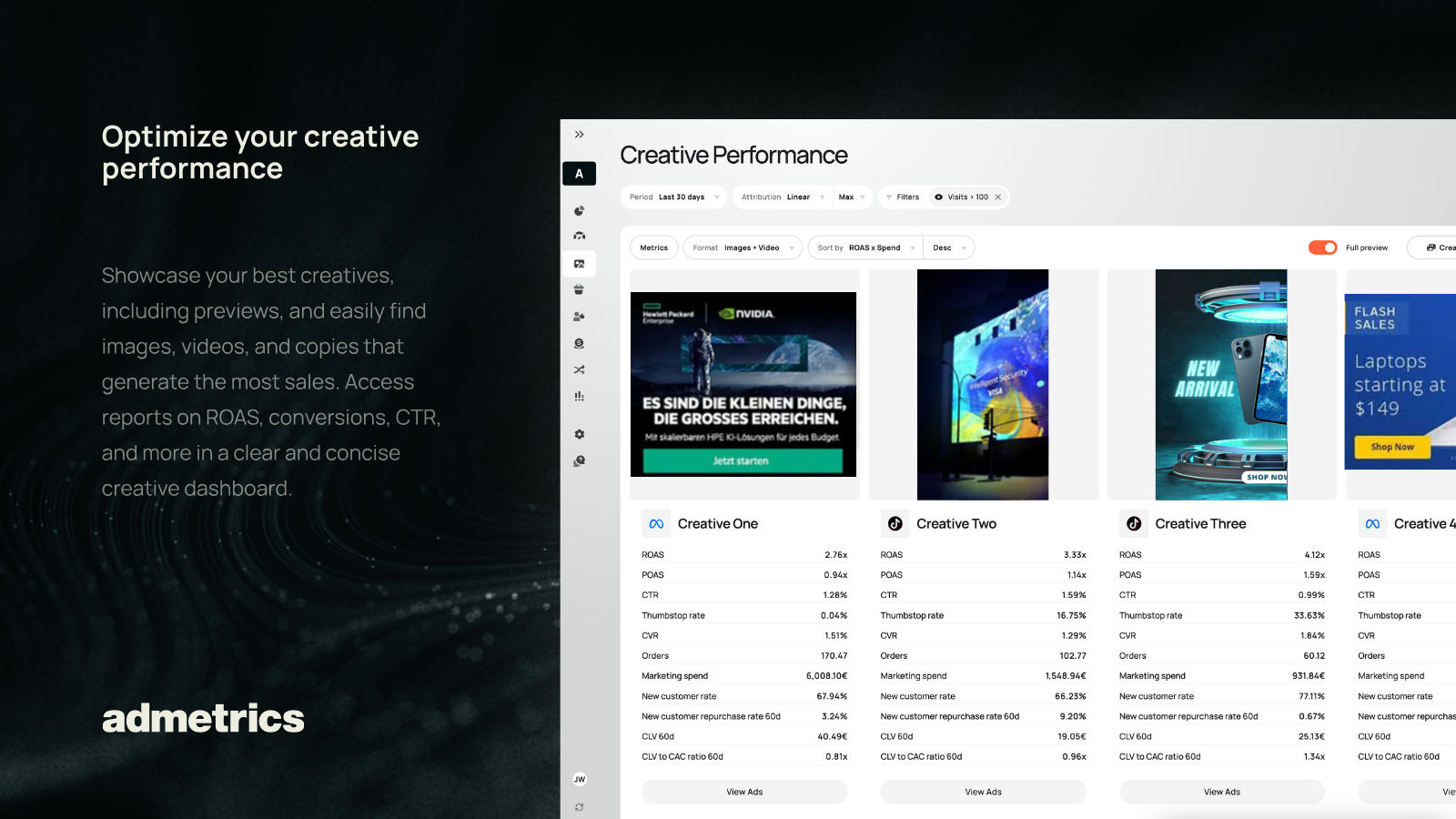
Personalization via UTM Parameters: What it is and why it works
Personalization via UTM Parameters means you use UTMs for more than attribution. You treat them as a lightweight personalization layer that carries intent from ad click to onsite experience.
That shift matters because it connects media strategy to onsite conversion and profit. In other words, the same taxonomy that powers reporting can also power better landing pages.
The two jobs UTMs can do
Most teams use UTMs only for reporting in GA4 or a BI tool. However, UTMs can also drive onsite rules.
Common mappings include:
* utm_content maps to the creative angle so your landing page headline mirrors the ad promise
* utm_campaign maps to audience or lifecycle stage so you can prioritize the right collection or bundle
* utm_term maps to intent so you can reorder PDP modules based on what the shopper cares about
When you do this well, you reduce message mismatch. That typically lifts conversion rate and improves blended ROAS without increasing spend.
Why DTC teams struggle without it
Once you scale, inconsistent UTMs create compounding confusion.
You will often see:
* Channel teams using different naming conventions for the same concept
* Dashboards that cannot reconcile platform ROAS with blended CAC
* Post launch analysis that turns into opinion debates instead of decisions
Personalization via UTM Parameters standardizes language across tools, so performance reviews focus on outcomes like CAC, LTV, and contribution margin.
Who should use Personalization via UTM Parameters
Personalization via UTM Parameters fits brands that move fast and need clarity.
You will get the most value if you:
* Spend meaningfully across multiple paid channels
* Run frequent creative tests, offer tests, or landing page experiments
* Need leadership grade reporting that ties to profit, not just platform metrics
CMOs and Heads of Growth benefit because they can see performance drivers across channels in a consistent format. Meanwhile, performance leads benefit because QA improves and analysis becomes faster.
Signs you are ready
You are ready if at least two of these are true:
- Your team debates attribution more than it debates strategy
- Creative testing velocity is high, but learnings do not carry over week to week
- Blended CAC moves, yet you cannot explain which audience, offer, or message drove it
- You plan to increase spend for a seasonal ramp, product drop, or market expansion
How to implement Personalization via UTM Parameters step by step
You do not need a full rebuild to start. You need governance, mapping, and measurement discipline.
Step 1: Standardize a UTM taxonomy you can scale
Start with a naming system your team can follow under pressure. Then document it and enforce it.
A practical baseline is:
* utm_source for platform or partner
* utm_medium for channel type
* utm_campaign for initiative, audience, or lifecycle intent
* utm_content for creative concept, format, or hook
* utm_term for keyword or intent theme
Keep strings short and consistent. Also, avoid personal data in UTMs.
Step 2: Define personalization rules that create message match
Next, translate UTM values into onsite actions. Start small so you can measure impact.
High impact first rules include:
* Swap the hero headline to match the ad hook from utm_content
* Prioritize a collection or bundle based on utm_campaign
* Change social proof or FAQs on a PDP based on utm_term intent
Because message match reduces friction, you often see conversion rate gains without changing traffic quality.
Step 3: Make UTMs persistent through the full funnel
Your personalization and reporting only work if UTMs survive the journey.
Ensure:
* Parameters persist across redirects and checkout domains
* Your analytics captures UTMs at session start and stores them on the user profile
* Purchases and refunds link back to original UTM values
This is also where many teams lose accuracy. Therefore, build a simple tracking audit into every launch.
Step 4: Operationalize with tooling and QA
Speed kills consistency unless you add guardrails.
Use:
* A shared UTM builder with locked templates
* A pre launch QA checklist for every campaign
* Drift detection so naming mistakes do not pollute reporting
As a result, your performance team ships faster and your leadership team trusts the readouts.
When to deploy Personalization via UTM Parameters
Timing matters because you want clean data before you scale spend.
Deploy Personalization via UTM Parameters when:
* You are about to ramp budgets for a key season or launch
* You are migrating analytics, CDP, or server side tracking
* You plan incrementality tests, geo experiments, or holdouts
If you do it after scaling, you pay a learning tax. In contrast, doing it before a ramp lets you attribute results cleanly and improve conversion rate at the same time.
KPIs to watch: proving impact without guesswork
Personalization via UTM Parameters is only worth it if it improves business outcomes.
Track these KPIs by UTM variant and at a blended level:
* Conversion rate by landing experience and creative concept
* CAC by audience and offer, using a consistent taxonomy across channels
* ROAS by campaign and content, while comparing to blended performance
* LTV by acquisition intent so you can spot high value cohorts early
Also compare pre and post rollout performance on message match tests. For many DTC brands, small conversion rate lifts can translate into meaningful CAC improvements when spend is high.
Conclusion
Personalization via UTM Parameters turns UTMs into an operating system for both measurement and action. You get cleaner reporting, faster testing loops, and stronger message match. Most importantly, you reduce the time your team spends arguing about attribution and increase the time spent improving creative, offers, and customer journeys.
If you are scaling a DTC brand, Personalization via UTM Parameters helps you protect profit while you increase spend. It makes performance more explainable, which makes decision making faster and more confident.
How Admetrics can help
Admetrics helps DTC teams make Personalization via UTM Parameters decision ready. We stitch UTMs to sessions, conversions, and revenue across Meta, Google, TikTok, and lifecycle channels. As a result, you can see which audiences, offers, and creative concepts drive incremental growth, not just last click credit.
You can also:
* Standardize UTM taxonomies across teams
* Detect naming drift before it breaks reporting
* Compare impact on blended CAC, ROAS, and LTV by variant
FAQ
What is Personalization via UTM Parameters?
Personalization via UTM Parameters uses UTM tags for attribution and to personalize the landing experience. The click carries context like creative angle or intent, and your site uses that context to adjust messaging or modules.
Why should DTC brands use Personalization via UTM Parameters?
It improves message match between ads and landing pages, which can lift conversion rate. At the same time, it standardizes reporting so you can manage CAC and ROAS with fewer attribution debates.
Which UTM fields matter most for personalization?
utm_campaign, utm_content, and utm_term usually drive the most useful onsite rules because they capture audience, creative, and intent. Still, you should always populate utm_source and utm_medium for clean aggregation.
How does Personalization via UTM Parameters impact ROAS and CAC?
If message match improves conversion rate, you often see CAC fall at the same spend level. Then blended ROAS improves because more sessions convert, not because attribution shifted.
Can UTMs replace first party tracking?
No. UTMs add context to the click, but first party events and reliable tracking still determine measurement quality. Use both so your reporting stays robust.
What is the biggest mistake teams make with UTM personalization?
They create too many variants too quickly. Over fragmentation makes learnings noisy and slows budget decisions. Start with a small set of high impact rules, then expand.
How quickly can we launch Personalization via UTM Parameters?
Many teams can launch an initial version in days if they have a taxonomy, a UTM builder, and a simple set of landing page rules. Full governance and drift detection typically take longer, but you can get value fast.