Your TikTok ad campaign just hit its first profitable day, but now you're wondering how to turn that success into sustainable, scalable growth. Learning how to scale TikTok ads effectively separates successful marketers from those who struggle to maintain consistent performance as budgets increase.
The challenge isn't just spending more money—it's maintaining efficiency while expanding reach. Moreover, TikTok's unique algorithm and audience behavior require specialized scaling strategies that differ from traditional social media platforms. This comprehensive guide reveals the exact methods top advertisers use to scale their TikTok campaigns profitably.
Whether you're managing a $1,000 or $100,000 monthly ad budget, these proven scaling techniques will help you maximize your return on investment while avoiding common pitfalls.
Understanding TikTok's Advertising Ecosystem
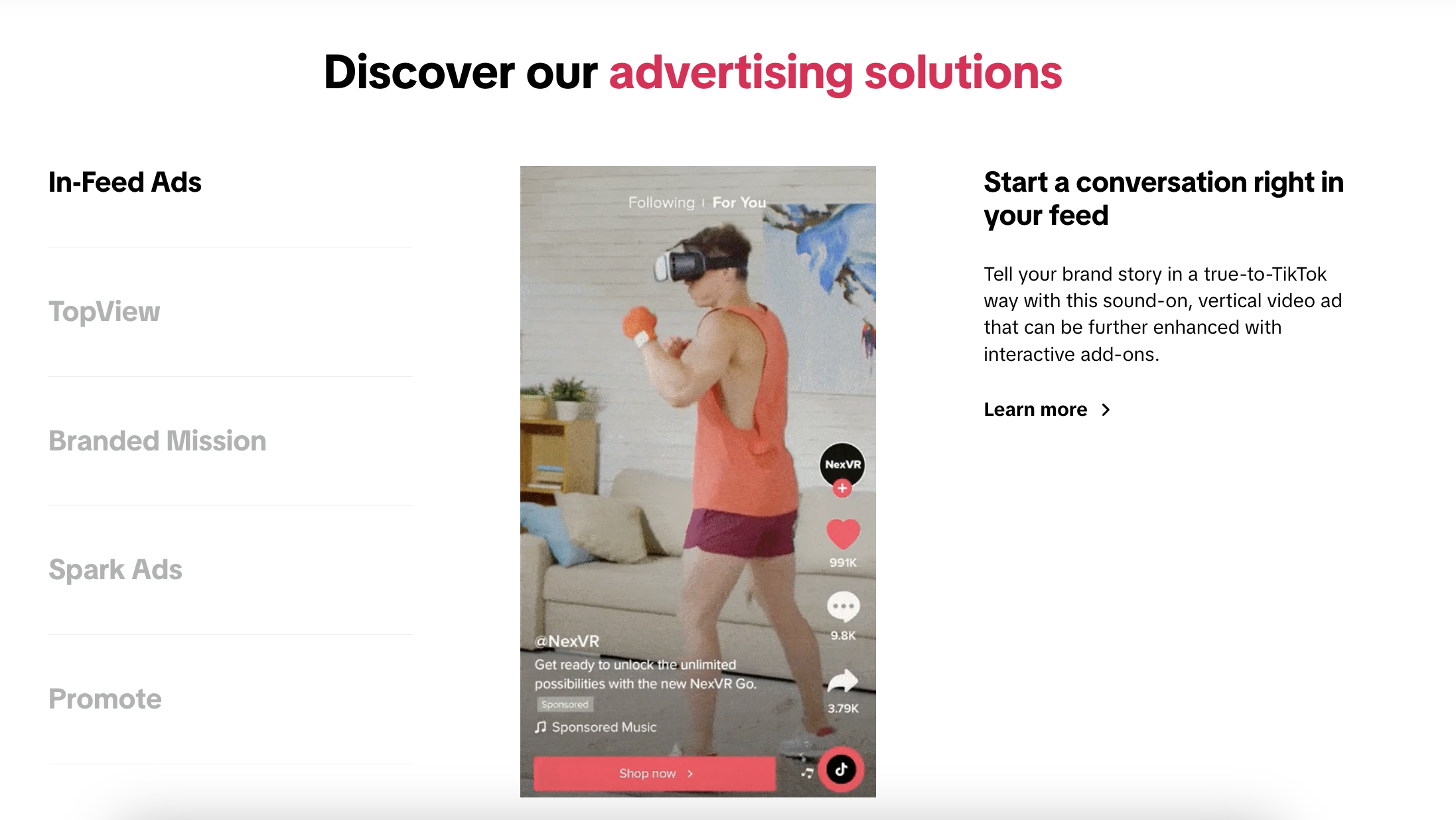
TikTok's advertising platform operates differently from Facebook or Google Ads. The algorithm prioritizes user experience above all else, which means your ads must genuinely engage viewers to achieve scalable success.
The platform's machine learning system requires sufficient data to optimize effectively. Therefore, rushing the scaling process often leads to decreased performance and wasted budget. Additionally, TikTok's younger demographic responds differently to advertising messages compared to other platforms.
Understanding these fundamentals shapes every scaling decision you make. Successful advertisers respect the platform's unique characteristics while implementing systematic scaling approaches.
Pre-Scaling Preparation: Setting Your Foundation
Before attempting to scale any TikTok campaign, you must establish strong foundational metrics and systems. Scaling amplifies both successes and failures, making preparation crucial for long-term success.
Campaign Performance Benchmarks
Establish clear key performance indicators (KPIs) before scaling begins. Your campaigns should demonstrate consistent profitability over at least 7-14 days. Furthermore, track metrics like cost per acquisition (CPA), return on ad spend (ROAS), and click-through rates (CTR) daily.
Document your baseline performance across different ad sets and creative variations. This data becomes invaluable when evaluating scaling success later.
Creative Asset Preparation
Scaling requires multiple high-performing creative assets to maintain audience engagement. Prepare 10-15 video variations before increasing budgets significantly. Additionally, ensure your creative library includes different hooks, calls-to-action, and visual styles.
User-generated content (UGC) often performs exceptionally well during scaling phases. Therefore, develop relationships with content creators who can produce authentic, engaging videos consistently.
Tracking and Attribution with Admetrics
Implement robust tracking systems before scaling to measure true campaign performance. TikTok's pixel integration should capture all relevant conversion events accurately. Moreover, consider using advanced attribution tools like Admetrics Data Studio for more precise tracking across devices and browsers. Read more about TikTok creative strategy.
Admetrics enables DTC brands to analyze their TikTok ad performance down to the creative level by aggregating over 150 metrics including ROAS, POAS, CTR, CVR, and CPM, providing comprehensive insights into all paid, owned, and earned traffic sources. To effectively analyze your TikTok ads with Admetrics, leverage its multi-touch attribution capabilities to understand the complete customer journey beyond TikTok's native last-click attribution model, which is crucial given the platform's role in awareness and discovery phases of the funnel. Here is all you need to know about TikTok advertising trends.
The platform feeds precisely tracked conversions back to TikTok's advertising network, enriched with first-party data, enabling the algorithm to optimize more effectively and potentially achieve up to 90% higher ROAS . Use Admetrics' unified dashboard to identify which TikTok creatives and campaigns contribute most to your overall customer lifetime value, track cross-device conversions that TikTok's pixel might miss due to iOS 14+ limitations, and apply various attribution models like first-touch, linear, or position-based to determine TikTok's true impact on your conversion funnel alongside other marketing channels.
Proven Strategies for How to Scale TikTok Ads Successfully
Scaling TikTok ads requires systematic approaches that balance growth with performance maintenance. The most successful advertisers use multiple scaling methods simultaneously for optimal results.
Vertical Scaling: Budget Increases
Vertical scaling involves increasing budgets on existing high-performing campaigns. Start with modest 20-30% daily budget increases rather than dramatic jumps. Furthermore, monitor performance closely during the first 48 hours after each increase.
TikTok's algorithm needs time to adjust to new budget levels. Consequently, immediate performance dips are normal and often recover within 2-3 days. However, sustained performance decreases signal the need for strategy adjustments.
Never increase budgets on campaigns showing declining performance. Instead, focus scaling efforts on consistently profitable ad sets only.
Horizontal Scaling: Audience Expansion
Horizontal scaling expands your reach through new audiences, placements, and geographic regions. Create duplicate campaigns targeting similar but distinct audience segments. Additionally, test broader interest categories and lookalike audiences based on your best customers.
Geographic expansion offers significant scaling opportunities for suitable products. Research local preferences and cultural nuances before entering new markets. Moreover, consider time zone differences when scheduling campaign launches.
Placement diversification across TikTok's partner networks can multiply your reach effectively. Test performance across different placements systematically before committing large budgets.
Creative Scaling: Content Multiplication
Creative scaling focuses on multiplying successful ad formats and themes. Analyze your top-performing videos to identify common elements and patterns. Furthermore, create systematic variations that maintain these successful elements while preventing audience fatigue.
User-generated content campaigns scale particularly well on TikTok. Partner with micro-influencers and customers to create authentic content variations. Additionally, remix successful concepts with different actors, settings, or music tracks.
A/B testing becomes crucial during creative scaling phases. Test different video lengths, opening hooks, and calls-to-action systematically to optimize performance.
Advanced Scaling Techniques and Optimization
Sophisticated scaling requires advanced techniques that go beyond basic budget increases and audience expansion.
Campaign Budget Optimization (CBO)
Campaign Budget Optimization allows TikTok's algorithm to distribute budgets across ad sets automatically. This approach often produces better results than manual budget allocation during scaling phases. However, monitor individual ad set performance to prevent budget concentration on underperforming segments.
Start with smaller CBO campaigns to understand how the algorithm allocates your budget. Then, gradually increase spending while maintaining performance thresholds.
Bid Strategy Optimization
Adjust bidding strategies as campaigns scale to maintain efficiency. Automatic bidding works well for initial scaling phases, but manual bidding provides more control at higher spend levels. Furthermore, consider cost caps to prevent runaway spending on underperforming audiences.
Test different bid strategies simultaneously to identify optimal approaches for your specific campaigns and objectives.
Dayparting and Schedule Optimization
Scaling campaigns benefit from strategic scheduling based on audience activity patterns. Analyze your performance data to identify peak conversion times and days. Additionally, consider your target audience's time zones when expanding geographically.
Automated scheduling rules can help maintain performance during scaling by pausing underperforming campaigns automatically. However, avoid over-automation that might limit scaling opportunities.
Common Scaling Mistakes and How to Avoid Them
Even experienced advertisers make scaling mistakes that waste budget and limit growth potential. Learning from these common errors saves time and money during your scaling journey.
Scaling Too Quickly
The most frequent scaling mistake involves increasing budgets too aggressively. TikTok's algorithm requires time to optimize for new spending levels. Therefore, doubling or tripling budgets overnight often leads to performance crashes.
Implement systematic scaling schedules with predetermined increase percentages. Additionally, establish clear performance thresholds that trigger scaling pauses or adjustments.
Neglecting Creative Refresh
Audience fatigue develops quickly on TikTok due to the platform's high content consumption rates. Failing to refresh creative assets regularly leads to declining performance even with perfect scaling execution. Moreover, stale creative content increases costs and reduces effectiveness.
Establish creative rotation schedules before scaling begins. Plan new content releases every 3-7 days depending on your audience size and reach.
Ignoring Audience Overlap
Horizontal scaling often creates audience overlap issues that increase competition between your own campaigns. This internal competition drives up costs and reduces overall efficiency. Furthermore, overlapping audiences receive multiple ad impressions, leading to fatigue and decreased performance.
Use audience exclusion strategies to prevent overlap between similar campaigns. Additionally, monitor frequency metrics across all campaigns to identify potential overlap issues.
Tools and Analytics for Scaling Success
Professional TikTok ad scaling requires sophisticated tools and analytics platforms that provide actionable insights for optimization decisions.
Native TikTok Analytics
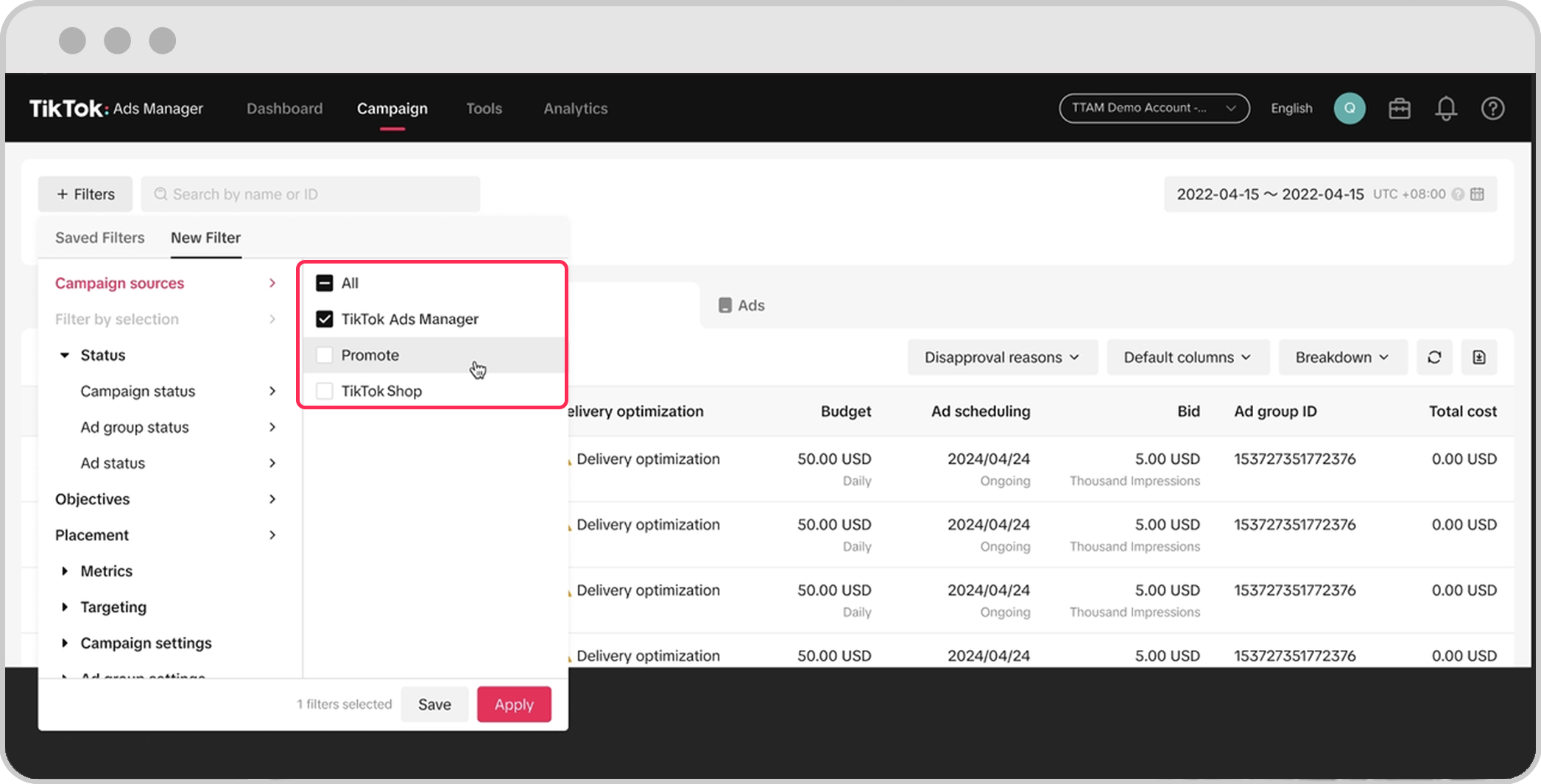
TikTok Ads Manager provides essential metrics for basic scaling decisions. Monitor key performance indicators daily and identify trends that indicate scaling opportunities or problems. Furthermore, use the platform's automated rules feature to implement basic scaling protocols.
Custom reporting dashboards help track multiple campaigns simultaneously during active scaling phases. Create views that highlight your most important metrics for quick decision-making.
Third-Party Analytics Platforms
Advanced scaling benefits from third-party analytics tools that provide deeper insights than native reporting. Platforms like Admetrics Data Studio offer multi-touch attribution and cross-platform analysis capabilities. Moreover, these tools help identify true customer lifetime value for better scaling decisions.
Triple Whale and other e-commerce analytics platforms integrate TikTok data with overall business metrics. This integration provides context for scaling decisions based on overall profitability rather than just ad metrics.
Creative Testing and Management Tools
Scaling requires systematic creative testing and management processes. Tools like Foreplay and Creative OS help organize and analyze creative performance across multiple campaigns. Additionally, these platforms identify winning creative elements for systematic replication.
Video editing tools specifically designed for TikTok ads streamline the creative production process during scaling phases. Batch editing capabilities become crucial when managing dozens of creative variations simultaneously.
Budget Management During Scaling Phases
Effective budget management during scaling phases requires systematic approaches that balance growth ambitions with risk management.
Setting Scaling Budgets and Limits
Establish clear budget allocation rules before beginning scaling campaigns. Dedicate specific percentages of total ad spend to scaling efforts versus stable, profitable campaigns. Furthermore, implement automatic spending limits to prevent runaway costs during optimization periods.
Daily budget monitoring becomes crucial during active scaling phases. Set up automated alerts for unusual spending patterns or performance drops that require immediate attention.
Performance Thresholds and Scaling Rules
Create systematic rules that govern scaling decisions based on performance metrics. Define specific ROAS, CPA, and CTR thresholds that trigger scaling actions or pauses. Additionally, establish minimum data requirements before making scaling decisions.
Document your scaling rules and thresholds for consistent application across all campaigns. This systematic approach reduces emotional decision-making during stressful scaling periods.
Risk Management Strategies
Scaling always involves increased risk exposure due to higher spending levels. Diversify scaling efforts across multiple campaigns, audiences, and creative approaches to minimize risk concentration. Moreover, maintain reserve budgets for stable campaigns to ensure consistent baseline performance.
Implement gradual rollback procedures for scaling attempts that don't meet performance thresholds. Quick reaction capabilities prevent small scaling mistakes from becoming major budget losses.
Conclusion
Learning how to scale TikTok ads successfully requires patience, systematic approaches, and continuous optimization. The strategies outlined in this guide provide a comprehensive framework for sustainable campaign growth, from foundational preparation through advanced scaling techniques.
Remember that scaling is an iterative process requiring constant monitoring and adjustment. Moreover, the most successful advertisers combine multiple scaling methods while maintaining strict performance standards and creative freshness.
Ready to transform your TikTok advertising results? Start implementing these scaling strategies today, beginning with proper foundation setup and gradual budget increases. What's your biggest challenge when it comes to scaling TikTok ads—budget management, creative production, or performance tracking?
Take action now by auditing your current campaigns against the benchmarks discussed in this guide, and begin your systematic scaling journey toward explosive growth and profitability.
FAQs on How to Scale TikTok Ads
1. What are the prerequisites before I start scaling a profitable TikTok campaign?
Before you touch your budget, you must establish a rock-solid foundation. First, ensure your campaign has demonstrated consistent profitability for at least 7 to 14 days. You also need to lock in your baseline Key Performance Indicators (KPIs), such as Cost Per Acquisition (CPA), Return on Ad Spend (ROAS), and Click-Through Rate (CTR). Finally, prepare a robust creative library of 10 to 15 video variations and ensure your tracking pixel and attribution tools are fully integrated to measure the true impact of your increased spend.
2. How much should I increase my budget when "Vertical Scaling"?
When scaling vertically (increasing the budget of an existing, high-performing campaign), you should limit your daily budget increases to 20% to 30%. Doubling or tripling your budget overnight is one of the most common mistakes advertisers make. TikTok’s machine learning algorithm needs time to adjust to new spending levels, and aggressive jumps will almost certainly crash your campaign's performance.
3. My performance dropped immediately after increasing the budget. Should I panic?
No, immediate performance dips are entirely normal. When you increase the budget, the algorithm enters a learning phase to figure out how to spend that extra money efficiently. It typically takes 2 to 3 days for the performance to stabilize and recover. However, if the decline is sustained beyond that window, it is a signal that you need to adjust your strategy or roll back the budget.
4. What is "Horizontal Scaling" and when should I use it?
Horizontal scaling involves expanding your reach outward rather than just spending more on the same audience. You achieve this by creating duplicate campaigns that target entirely new audience segments, testing broader interest categories, utilizing lookalike audiences based on your best customers, or expanding into new geographic regions and placements. It is an excellent strategy when your vertical scaling starts to hit a ceiling or experiences audience fatigue.
5. How often do I need to refresh my ad creatives during the scaling phase?
On TikTok, audience fatigue happens incredibly fast due to the platform's rapid content consumption. If you are actively scaling, you must plan to release new creative content every 3 to 7 days, depending on your audience size and budget. Sticking to stale content will lead to higher costs and reduced effectiveness, even if your budget management is flawless.
6. Why is audience overlap dangerous, and how do I prevent it?
When you scale horizontally by creating multiple campaigns targeting similar audiences, you risk bidding against yourself. This internal competition drives up your ad costs (CPM) and bombs your efficiency. Furthermore, overlapping audiences will see your ads too many times, leading to rapid ad fatigue. You can prevent this by actively using audience exclusion strategies in your ad sets and monitoring frequency metrics across your campaigns.
7. Why should I use third-party attribution tools like Admetrics instead of just the native TikTok pixel?
TikTok's native tracking relies heavily on a last-click attribution model and struggles with cross-device tracking, especially due to iOS 14+ privacy limitations. Third-party platforms like Admetrics offer multi-touch attribution, analyzing over 150 metrics to reveal the complete customer journey. Because TikTok is often a top-of-funnel discovery platform, using advanced attribution helps you understand the true Customer Lifetime Value (CLV) and overall ROAS generated by your ads, allowing the algorithm to optimize more effectively.
8. Should I use manual bidding or automatic bidding when scaling?
It depends on the phase of your scaling journey. Automatic bidding is highly effective during the initial scaling phases, allowing the algorithm to find conversions efficiently. However, as your spend reaches higher levels, transitioning to manual bidding or utilizing cost caps provides you with much-needed control, preventing the algorithm from runaway spending on underperforming audience segments.
9. What is Campaign Budget Optimization (CBO) and how does it help?
CBO allows TikTok's algorithm to automatically distribute your total campaign budget across your various ad sets in real-time, funneling money toward the best-performing segments. During scaling, CBO often produces better overall efficiency than manually deciding how much each ad set gets. The best practice is to start with smaller CBO campaigns to observe how the algorithm behaves, then gradually increase the budget while ensuring it doesn't overly concentrate funds on a single ad set.
10. How should I manage risk when allocating large scaling budgets?
Scaling inherently carries risk, so strict budget management rules are vital.
- Set automated rules: Establish specific ROAS, CPA, and CTR thresholds that will automatically trigger a pause on underperforming campaigns.
- Diversify: Never put all your scaling budget into one campaign or creative approach.
- Keep a reserve: Always maintain a portion of your budget for stable, baseline campaigns to ensure consistent revenue.
- Implement rollbacks: If a scaling attempt fails your performance thresholds after the learning phase, have a procedure ready to quickly roll the budget back to its previously profitable state.