Achieving success on Amazon today takes more than just smart keyword bidding or aggressive ad spend. In a crowded digital marketplace, a high-performing Amazon marketing strategy requires agility, data fluency, and cross-functional alignment. For growth-minded DTC leaders, Amazon must evolve from a channel tactic into a core growth engine—supported by clear ROI goals, full-funnel visibility, and integrated media planning.
Performance marketers and media buyers need tactical depth. That means fine-tuned campaign structures, optimized listings, and agile use of Amazon's attribution tools. However, real breakthroughs happen when strategic leadership and execution teams align. This joint ownership eliminates silos, ensures message consistency, and streamlines performance across all touchpoints.
Amazon’s ecosystem is expanding rapidly—with innovations like streaming TV ads, enhanced DSP capabilities, and AI-driven placements. To stay competitive, brands need to do more than sell. They need to treat Amazon as a high-stakes performance playground that requires rigor, strategy, and ongoing evolution.
What Is an Amazon Marketing Strategy?
An Amazon marketing strategy is a comprehensive, data-driven plan to grow visibility, engagement, and sales within Amazon’s ecosystem. It blends both organic and paid tactics designed for Amazon’s unique search behavior and algorithm.
Core components include:
- Keyword optimization and SEO-optimized product listings
- Structured ad campaigns using Sponsored Products, Brands, and Display
- A+ content and strategic use of brand storefronts
- Review generation and listing hygiene to boost conversion
Unlike traditional marketplaces, Amazon functions as both a search engine and purchasing platform. That means your strategy must serve both visibility and conversion simultaneously.
For strategic leaders, Amazon unlocks ROI at scale thanks to its rich first-party data and powerful DSP. For operational marketers, it’s a testbed to optimize in real time, guided by closed-loop feedback.
A strong Amazon marketing strategy leverages tools like Amazon Marketing Cloud and Amazon Attribution to connect platform performance with wider customer journey insights. That cross-platform alignment is the key to sustainable, profitable ecommerce growth.
Why Ownership of Your Amazon Marketing Strategy Matters
Effective ownership lives where strategic leadership meets platform expertise. For scaling ecommerce brands, the best results come when VPs of Marketing and performance marketers co-own the Amazon marketing strategy.
Strategic owners:
- Align Amazon with broader brand goals and ROAS targets
- Coordinate cross-channel efforts across Google, Meta, and more
- Prioritize full-funnel reporting and attribution clarity
Tactical owners:
- Optimize campaigns down to the ASIN level
- Use incremental testing to refine bids and creatives
- Adjust spend and targeting based on real-time data
When both work in tandem, brands get sharper attribution, improved CAC control, and scalable ROAS. This dual approach builds competitive advantage—especially as Amazon’s ad tools continue to diversify with new formats and placements.
How to Build an Amazon Marketing Strategy That Scales
Whether you're scaling past €1M AR or optimizing for profit, a high-impact Amazon marketing strategy follows several clear steps.
1. Align With Cross-Channel Objectives
Start by connecting your Amazon campaigns to broader marketing goals. Ensure consistency in messaging, budget allocation, and performance measurement across platforms like Meta and Google.
2. Audit and Optimize Product Listings
Check for keyword coverage, SEO-friendliness, and quality imagery. Each product detail page should be built for discoverability and conversion.
3. Structure Campaigns for Testing and Scale
Use automated campaigns to gather data, then transition to manual campaigns optimized by:
- Match type
- Product segmentation
- Keyword performance
4. Leverage Attribution Tools Early
Integrate Amazon Attribution and Marketing Cloud to analyze customer paths and understand multi-platform lift. Tie top-of-funnel campaigns to bottom-line outcomes.
5. Invest in Content and Creative
Use A+ content and storefronts not just for branding, but to improve conversion rate and reduce CAC. Optimize based on engagement metrics.
When these elements work together, Amazon becomes more than a sales channel—it’s a full-funnel engine driving measurable growth.
Timing Your Amazon Marketing Strategy for Peak ROI
Strategic timing is critical to ensure Amazon marketing performance aligns with product cycles and seasonality.
Here’s how to plan your timeline:
- 8–12 weeks before major events (e.g., Prime Day, Q4 holidays): Begin strategy development, creative planning, and budget allocation.
- 4 weeks prior: Finalize ad creative, confirm bidding strategies, and QA product listings for consistency.
- Post-event: Review results, analyze lift, and recalibrate using real customer data.
Outside peak seasons, reevaluate regularly. Conduct monthly audits and weekly optimizations to maintain efficiency and respond to market shifts.
Align your Amazon plan with key moments across Google, Meta, and your owned storefronts. Doing so enhances cross-channel synergy and makes budget more impactful.
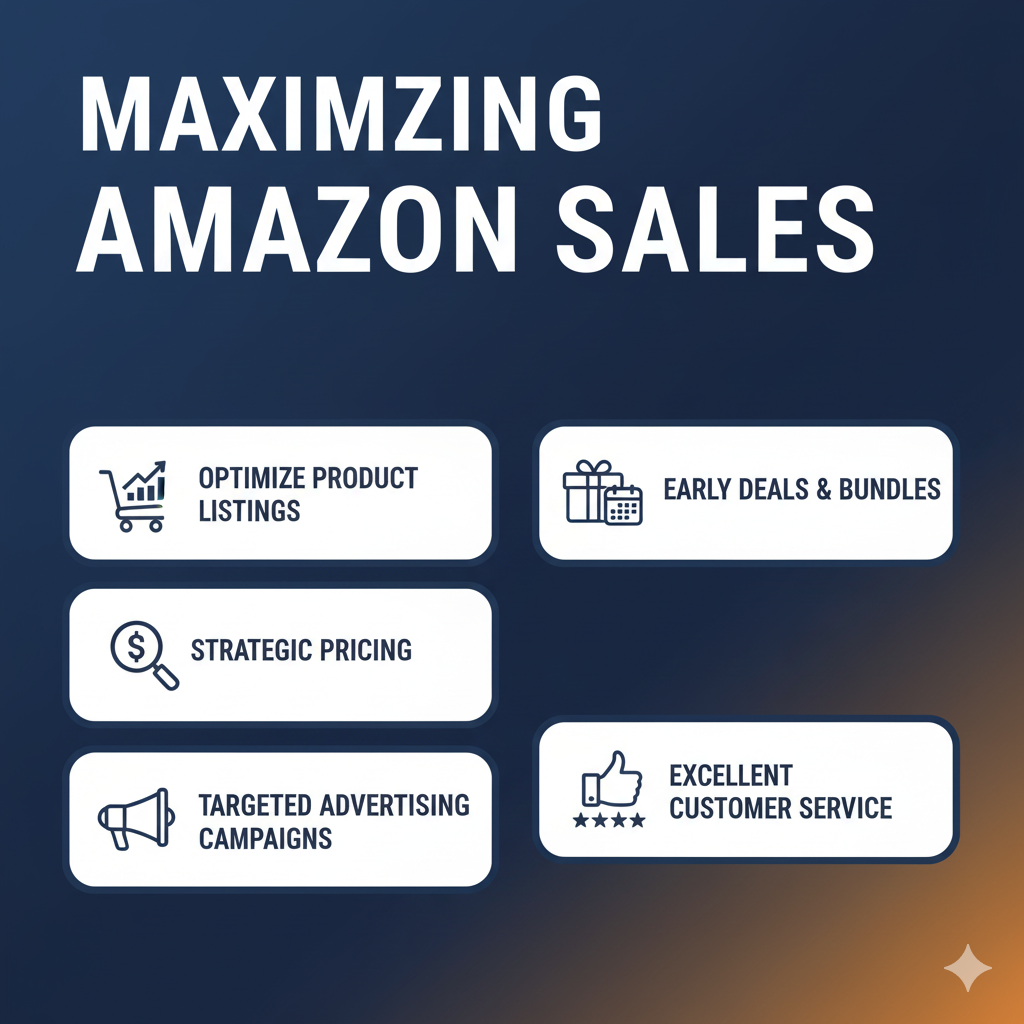
Why Amazon Deserves a Seat at the Strategic Table
Too often, Amazon gets treated as an isolated sales channel. But for successful DTC marketers, it's time to shift that mindset.
A complete Amazon marketing strategy, owned jointly by leadership and performance teams, offers:
- Increased LTV via better audience targeting
- Scalable ROAS through real-time optimizations
- Enhanced attribution insights across your entire media mix
Strategic leaders gain more accurate forecasting and smarter budget allocation. Execution teams get platform depth, better tools, and higher performance standards.
This shift doesn't just drive Amazon ROI—it builds cross-functional strengths that benefit the entire business. Brands that treat Amazon as a growth driver outperform those who treat it as a silo. The future belongs to those who integrate Amazon seamlessly into their broader marketing and data operations.
How Admetrics Supercharges Your Amazon Marketing Strategy
Admetrics boosts your Amazon marketing strategy with deep analytics and AI-driven insight. Our platform gives growth marketers a unified view of performance across Amazon, Meta, Google, and more.
With Admetrics, you can:
- Uncover the true ROI of every campaign across platforms
- Customize attribution models for better budget decisions
- Run incrementality tests to isolate what’s actually working
- Optimize bids, placements, and targeting using predictive analytics
Top DTC brands use Admetrics to make smarter, faster decisions and eliminate wasted spend. If you're serious about growing profitably on Amazon, book a demo to see how we can support your strategy.
Frequently Asked Questions About Amazon Marketing Strategy
What is an Amazon marketing strategy?
It’s a structured plan that combines organic and paid tactics designed to drive product visibility and conversion on Amazon.
How does Amazon advertising differ from Google or Meta?
Amazon ads reach users closer to the point of purchase. It’s intent-driven, commerce-first, and highly conversion-focused.
What role does SEO play in Amazon marketing?
Amazon SEO affects how your products rank. Relevant keywords, strong sales history, and positive reviews are key.
How can I improve ROAS on Amazon without increasing spend?
Focus on better listings, use negative keywords, and test bid strategies to reduce wasted spend.
What’s the best way to scale an Amazon advertising campaign?
Use incremental testing, monitor ad placement reports, and double down on top-performing ASINs.