Buzz marketing is a strategy that focuses on generating excitement and word-of-mouth discussions about a brand, product, or campaign. When done effectively, it can make a brand go viral, leading to widespread engagement and organic reach.
Buzz marketing leverages curiosity, emotions, and exclusivity to spark interest and encourage consumers to talk about the brand. Unlike traditional marketing, which relies on direct advertising, buzz marketing capitalizes on consumer-driven promotion—where people voluntarily share content, opinions, and experiences.
How Buzz Marketing Works
At its core, buzz marketing taps into the psychology of human behavior. People love to share exciting, shocking, or emotionally compelling stories. This marketing strategy uses various techniques to create an organic ripple effect that expands beyond traditional advertising channels.
• Word-of-Mouth Marketing: Encourages consumers to share their experiences with others.
• Social Media Virality: Leverages platforms like Instagram, TikTok, and Twitter to amplify reach.
• Influencer & Brand Advocacy: Uses key individuals to promote products in an authentic manner.
• Exclusivity & Scarcity: Creates a sense of urgency, making consumers eager to share the news.
By strategically planning a campaign that captures emotions and attention, brands can generate buzz that spreads naturally.
Key Elements of a Successful Buzz Marketing Campaign
Not all buzz marketing campaigns succeed. To create an effective and sustainable strategy, brands must incorporate the following elements:
Emotional Appeal and Storytelling
People connect with emotions more than they do with advertisements. Crafting a compelling story around your product or campaign can drive more engagement and sharing.
Creating Curiosity and Mystery
Leaving an element of mystery intrigues audiences and encourages them to seek out more information. Teaser campaigns and cryptic social media posts work well in generating curiosity.
Leveraging Influencers and Brand Advocates
Influencers and brand ambassadors can accelerate buzz by sharing products with their audience. Their endorsement adds credibility and reach to the campaign. Read more about generating UGC TikTok video.
Timing and Exclusivity
Creating a limited-time offer or exclusive event can build anticipation and increase the likelihood of shares and discussions.
Mastering these elements ensures that buzz marketing efforts resonate with audiences and achieve maximum impact.
Types of Buzz Marketing Strategies
There are multiple ways brands can create buzz around their products or services. Some of the most effective buzz marketing strategies include:
Controversial Marketing
Sometimes, brands spark conversations by addressing controversial or bold topics. This approach grabs attention but must be carefully managed to avoid negative backlash.
Influencer and Celebrity Endorsements
Partnering with influencers or celebrities helps brands reach a wider audience. When a well-known personality shares a product or campaign, it naturally gains credibility and exposure.
Product Seeding and Giveaways
Many brands provide free products to influencers, industry experts, or early adopters. These individuals then share their experiences, creating organic buzz. Giveaways also encourage audience participation and word-of-mouth sharing.
Experiential Marketing Events
Hosting events that offer a unique and engaging experience can generate excitement. Interactive installations, flash mobs, and surprise brand activations can leave a lasting impression.
User-Generated Content Campaigns
Encouraging customers to create content around a brand or product increases engagement. Contests, challenges, and hashtag campaigns (like Coca-Cola’s #ShareACoke) help spread brand awareness.
Benefits of Buzz Marketing
Buzz marketing offers significant advantages, making it a powerful strategy for brands looking to gain widespread visibility.
Cost-Effective Strategy
Unlike traditional advertising, buzz marketing relies on organic reach rather than paid promotions. This reduces marketing costs while still achieving high engagement.
Higher Engagement and Brand Awareness
When people talk about a product or campaign, it increases brand awareness. Social media shares, mentions, and discussions lead to greater visibility.
Improved Customer Trust and Credibility
People trust recommendations from friends, family, and influencers more than traditional ads. Buzz marketing leverages this trust, making it an effective way to build brand credibility.
Increased Organic Reach and Virality
A well-executed buzz marketing campaign can go viral, reaching millions without additional advertising expenses. The organic nature of buzz marketing makes it a scalable strategy.
Challenges and Risks of Buzz Marketing
Despite its benefits, buzz marketing comes with risks that brands must navigate carefully.
Managing Negative Buzz and Backlash
If a campaign is perceived as offensive, misleading, or insensitive, it can generate negative buzz. Brands must be prepared to handle public criticism and crisis management.
Difficulty in Controlling the Narrative
Unlike traditional marketing, buzz marketing relies on user-generated content and organic discussions. This makes it harder for brands to control the message and direction of conversations.
Measuring Success and ROI
Tracking the effectiveness of buzz marketing campaigns can be challenging. Unlike paid ads with direct conversion metrics, buzz marketing relies on engagement, shares, and sentiment analysis.
Case Studies of Successful Buzz Marketing Campaigns
Buzz marketing in the Direct-to-Consumer (DTC) and e-commerce space is all about turning your customers into your broadcasters. Instead of relying purely on paid ads, brands create moments, rumors, or experiences that people simply can't help but talk about online.
Here are three excellent examples of how e-commerce and DTC brands have recently manufactured massive hype.
1. CeraVe: The Michael Cera "Secret" Campaign
The Tactic: Rumor & Humor Marketing
Skincare brand CeraVe pulled off a masterclass in "secret marketing" by starting a bizarre internet rumor: that actor Michael Cera was the secret founder of the brand.
The brand seeded paparazzi-style photos of Cera walking around carrying bags full of CeraVe lotion and signing bottles in pharmacies. Influencers and dermatologists on TikTok played along, pretending to be confused or outraged by his claims. The internet went wild trying to figure out if it was real, a joke, or a rogue actor. It generated millions of organic impressions before culminating in a Super Bowl commercial where CeraVe officially "debunked" the rumor, clarifying that CeraVe is developed with dermatologists, not Michael Cera.
2. Gap x KATSEYE: "Better in Denim"
The Tactic: Influencer & Viral Challenge Marketing
To reboot low-rise jeans and drive e-commerce sales, Gap partnered with the international girl group KATSEYE in late 2025. Instead of a traditional fashion shoot, they launched a simple TikTok dance challenge set to a remix of the 2000s classic song "Milkshake".
The viral challenge exploded, but Gap didn't just stop at brand awareness. They added a "want it now" DTC element by dropping a limited-edition KATSEYE hoodie alongside the denim campaign. Because the challenge had built so much cultural momentum and FOMO (Fear Of Missing Out), the exclusive online merch sold out almost instantly.
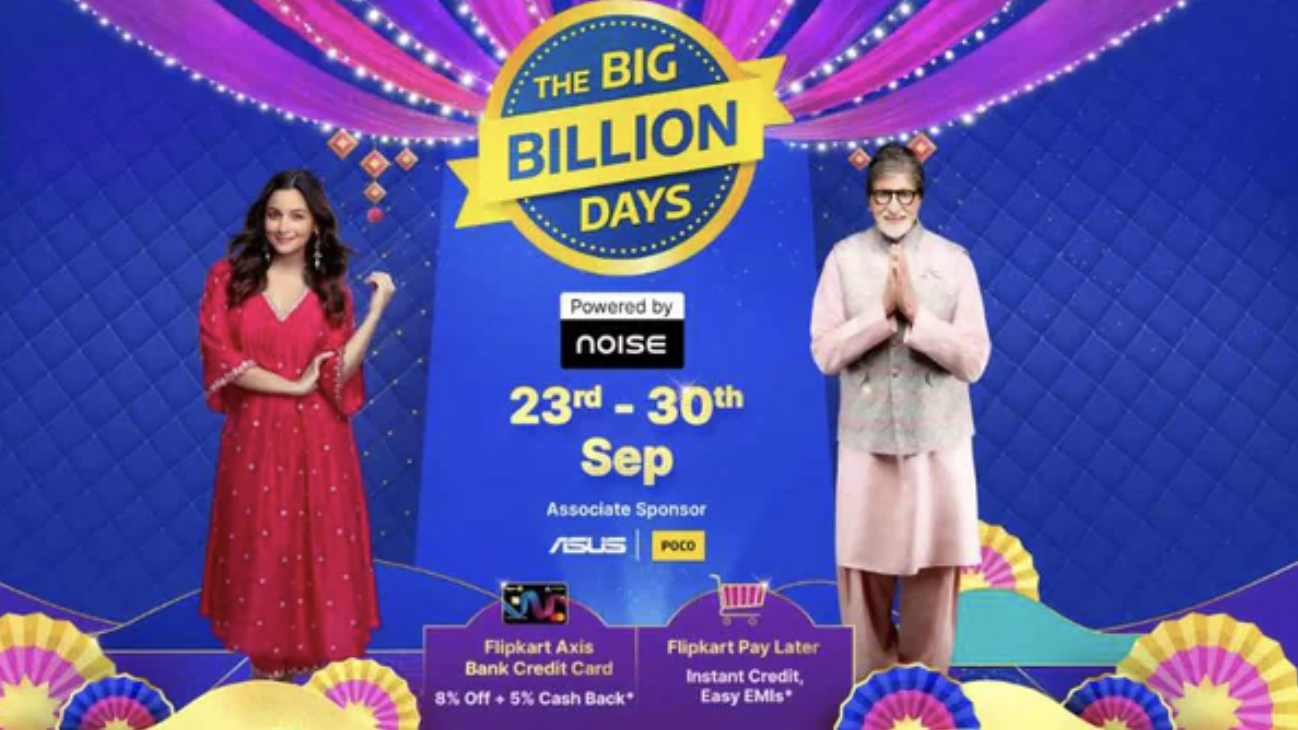
3. Flipkart: "Deals Ka Chaand" / Big Billion Days
The Tactic: Anticipation & Event Buzzing
Indian e-commerce giant Flipkart routinely uses buzz marketing to build hype for its annual "Big Billion Days" sale. During their "Deals Ka Chaand" campaign, they masterfully built anticipation before the sale even began.
Instead of just announcing discounts, they treated the e-commerce sale like a massive cultural festival. They used cryptic teaser ads, interactive countdowns, and culturally resonant storytelling to simulate high demand. By making consumers feel like they were waiting for a rare event (the "moon" of deals), Flipkart generated massive organic traffic and word-of-mouth before a single product was actually purchased.
How to Create an Effective Buzz Marketing Strategy
To successfully generate buzz, brands must develop a strategic approach. Here’s how to create a buzz marketing campaign that works:
Identify the Right Audience
Understanding the target demographic is crucial. Knowing what excites and engages your audience helps craft a campaign that resonates.
Choose the Right Platform for Promotion
Different platforms serve different audiences. TikTok and Instagram are great for visual campaigns, while Twitter works well for viral discussions.
Craft an Engaging Message
A compelling story, emotional appeal, or unique angle makes people more likely to share content. The message should be clear, exciting, and shareable.
Monitor and Respond to Audience Reactions
Real-time engagement is key to sustaining buzz. Brands should actively respond to comments, participate in discussions, and handle any negative feedback professionally.
Measuring the Success of Buzz Marketing
Since buzz marketing relies on organic conversations, tracking its success requires analyzing various engagement metrics.
Key Performance Indicators (KPIs)
Some important KPIs for measuring buzz marketing effectiveness include:
- Social media mentions and shares
- Hashtag usage and engagement rates
- Website traffic spikes
- Sales or sign-ups driven by the campaign
Tools for Tracking Engagement
Several tools help brands measure their buzz marketing impact, such as:
- Google Trends (to track search interest)
- Social listening tools like Brandwatch or Hootsuite
- Analytics platforms like Google Analytics for traffic insights
Analyzing Audience Sentiment
Understanding whether the buzz is positive or negative is crucial. Sentiment analysis tools can gauge audience reactions and help brands adjust their messaging accordingly.Future of Buzz MarketingBuzz marketing is constantly evolving with new trends and technologies shaping how brands create viral campaigns.1. Trends Shaping Buzz Marketing in 2024 and Beyond
- Short-form video content is dominating social media platforms.
- AI-powered marketing tools help brands personalize and automate engagement.
- Interactive content like polls, AR filters, and challenges enhance audience participation.
The Role of AI and Personalization
AI is enabling brands to create hyper-personalized campaigns that resonate with individuals on a deeper level. Personalized recommendations and AI-generated content will continue to fuel buzz marketing efforts.
Ethical Considerations in Viral Marketing
Brands must be mindful of ethical marketing practices. Transparency, authenticity, and social responsibility are crucial to maintaining consumer trust while generating buzz.ConclusionBuzz marketing is a powerful strategy that helps brands gain rapid visibility and engagement through word-of-mouth and viral content. By understanding audience behavior, crafting compelling campaigns, and leveraging social media, businesses can successfully create buzz and drive brand growth. However, managing risks, tracking success, and maintaining ethical standards are essential for long-term impact.
FAQs
1. What exactly is buzz marketing, and how does it differ from traditional advertising?
Traditional advertising relies on a "push" model—paying for ad placements to directly broadcast a message to a target audience. Buzz marketing operates on a "pull" model. It leverages curiosity, emotion, and exclusivity to generate word-of-mouth discussions and organic sharing. Instead of telling people your product is great, buzz marketing creates an experience or story that makes people want to talk about your product voluntarily.
2. What psychological triggers make a buzz marketing campaign successful?
A successful campaign doesn't happen by accident; it taps into fundamental human behaviors. To create a natural ripple effect, your strategy must incorporate:
- Curiosity and Mystery: Teasing a product launch with cryptic posts creates an information gap that audiences naturally want to fill.
- Emotional Appeal: People share things that make them feel something—whether that is excitement, awe, humor, or even shock.
- Exclusivity and Scarcity: Limited-time offers or invite-only access make consumers feel like insiders, triggering urgency and the desire to share their status.
3. Is buzz marketing actually a cost-effective strategy?
Yes, but "cost-effective" does not mean "free." While you save significantly on traditional media buying and paid ad placements because the reach is organic, buzz marketing shifts the budget to other areas. You will invest heavily in high-quality creative production, product seeding (giving away free inventory), PR management, and potentially experiential event logistics. However, because organic reach can scale exponentially, the overall Return on Investment (ROI) is often much higher than standard paid ads.
4. What are the biggest risks of relying on viral marketing, and how can they be mitigated?
The very nature of buzz marketing means surrendering control of the narrative to the public.
- The Risk: If a campaign is perceived as insensitive, misleading, or offensive, the buzz can quickly turn into a public relations crisis.
- The Mitigation: Brands must have a rigorous review process before launch to ensure the messaging aligns with their values. Additionally, you must have a crisis management plan in place to actively monitor sentiment and address valid criticisms transparently rather than ignoring them.
5. How do influencers and User-Generated Content (UGC) amplify brand buzz?
Consumers inherently trust recommendations from peers and creators more than corporate messaging. Influencers add immediate credibility and act as a catalyst to push your campaign to a wider audience. UGC takes this a step further by turning your everyday customers into brand advocates. When real people share their genuine experiences, it provides authentic social proof that money cannot buy.
6. How is buzz marketing evolving in 2026?
The mechanics of virality are rapidly shifting alongside technology. Currently, short-form vertical video continues to dominate as the primary format for product discovery and trust-building. Furthermore, generative AI is enabling brands to execute hyper-personalized campaigns at scale, shifting digital interactions from static consumption into interactive conversations. We are also seeing a shift toward "Micro-Influencer 2.0" strategies, where authentic UGC is repurposed into long-term performance assets rather than relying on one-off celebrity posts.
7. What can we learn from the buzz marketing strategies of Apple and Tesla?
Both companies have mastered the art of generating immense visibility with minimal traditional advertising spend, but they use different triggers:
- Apple: Masters of mystery and exclusivity. They use strict secrecy, carefully timed teasers, and highly produced keynote events to build massive anticipation before a product even exists.
- Tesla: Masters of personality and viral moments. They rely on CEO advocacy (Elon Musk's social media presence), customer referral programs, and highly shareable, sometimes unpredictable demonstrations (like the Cybertruck reveal) to keep the brand constantly trending.
8. What is the step-by-step framework for launching my own buzz marketing campaign?
To successfully engineer organic reach, follow this strategic roadmap:
- Identify the Audience: Map out what specific emotions and topics excite your exact demographic.
- Select the Platform: Choose the channel that fits the medium (e.g., TikTok for visual challenges, Twitter/X for fast-paced conversation).
- Craft the Hook: Develop a compelling story, a unique angle, or a limited-time offer that makes the message inherently shareable.
- Seed the Market: Partner with key influencers or early adopters to kickstart the conversation.
- Monitor and React: Treat the campaign as a live event. Respond to comments in real-time, lean into positive momentum, and handle any negative feedback swiftly.