In the fast-moving world of direct-to-consumer (DTC) marketing, knowing your customer isn’t enough. You need to guide them—from the first moment of interest to the final purchase and beyond. That’s where the e-commerce funnel comes in. This strategic framework maps the customer's journey through different touchpoints, empowering brands to deliver timely, relevant experiences. Whether you're scaling your Shopify store or fine-tuning a product launch, mastering your e-commerce funnel is mission-critical for sustained growth and profitability.
E-Commerce Funnel
The e-commerce funnel is a systematic representation of how potential customers progress from discovering your brand to becoming loyal buyers. Think of it as a digital roadmap that visualizes the conversion path in stages: awareness, consideration, conversion, and retention. Each stage plays a pivotal role in driving revenue and reducing churn—especially in the competitive DTC landscape.
An effective funnel is not linear. Rather, it's dynamic—driven by user behavior, segmented data, and real-time feedback loops. E-commerce leaders treat this funnel like a living ecosystem: constantly measured, optimized, and adapted based on insights and innovations.
Understanding the E-Commerce Funnel
The e-commerce funnel is the backbone of any successful digital retail strategy. It represents the stages a customer passes through before making a purchase—and ideally, returning for more. In the DTC world, where brands own the customer relationship, this funnel becomes more than just a sales tool. It transforms into a blueprint for long-term growth and customer lifetime value (CLTV).
But here’s the catch—shoppers don’t just stumble into your store and checkout. They journey through a path of curiosity, evaluation, and decision-making. Your job? Make that journey seamless, intuitive, and ultimately irresistible.
At its core, the funnel is divided into four key stages:
- Awareness – where users first discover your brand.
- Consideration – where they compare options and weigh value.
- Conversion – where they make a purchase.
- Retention – where they come back and advocate for you.
Each stage demands tailored strategies, messages, and touchpoints. Treating them all the same is a fast-track to leaky funnels and high CAC (Customer Acquisition Costs).
Moreover, in the DTC space, you don't just compete on product—you compete on experience. A well-optimized funnel can dramatically reduce acquisition costs, increase average order values (AOV), and elevate brand loyalty.
Awareness Stage: Capturing Interest
Welcome to the top of the funnel, where impressions matter most. The awareness stage is where prospective customers first become aware of your brand’s existence. At this point, they’re not ready to buy—they're just exploring.
This stage isn’t about pushing products. It’s about storytelling, visibility, and resonance.
Here’s how savvy DTC brands capture attention:
Social Media Marketing
Platforms like TikTok, Instagram, and YouTube Shorts dominate attention spans. Using snackable, authentic content can plant your brand in consumers’ minds before they realize they need your product.
- Use UGC to showcase real-world use.
- Partner with micro-influencers for organic reach.
- Tap into trends with native content styles.
Paid Media
If you're launching a new DTC brand or testing a new SKU, paid ads can supercharge your visibility.
- Use Meta Ads for broad lookalike audiences.
- Run top-of-funnel video content on YouTube.
- Launch Pinterest awareness campaigns for product discovery.
Content SEO
Evergreen blogs and landing pages help you rank for intent-based searches. For instance, a brand selling eco-friendly detergent might publish content like “How to Wash Clothes Without Chemicals.”
- Optimize meta descriptions and headers.
- Include your primary keywords (like “eco-friendly laundry”) naturally.
- Add value before pushing the product.
Brand Collaborations
Another powerful move—partner with like-minded brands for giveaways, bundles, or co-branded content. This allows you to tap into pre-qualified audiences with similar values.
Traffic Generation Techniques
Traffic is the lifeblood of any e-commerce operation. But not all traffic is created equal. You want high-intent, qualified visitors—people more likely to convert.
Let’s explore the modern DTC traffic toolbox.
Search Engine Optimization (SEO)
Organic search is still king for scalable traffic. From product page SEO to blog articles, having a content-first strategy builds compounding value over time.
- Use long-tail keywords for niche queries.
- Ensure fast page load speeds.
- Optimize for mobile-first indexing.
Influencer Collaborations
Partnering with creators who align with your values allows you to reach authentic, trust-built audiences. Look beyond vanity metrics—engagement is the real currency.
- Micro-influencers often yield better ROI.
- Use trackable discount codes or links.
- Reuse influencer content in paid campaigns.
Podcast and YouTube Guest Appearances
DTC founders or marketers can build authority and brand awareness by appearing on niche industry shows. This builds thought leadership while also driving traffic to landing pages or collections.
Community Engagement
Reddit, Slack communities, Discord, and even Facebook groups—places where niche conversations happen—can be fertile grounds for product discovery.
- Don’t pitch—contribute.
- Share stories, not sales tactics.
- Use listening tools to identify where your audience hangs out.
Referral and Ambassador Programs
Turn customers into traffic drivers by incentivizing them to spread the word.
- Give double-sided rewards.
- Make it easy to share referral links.
- Gamify the system with ranks and perks.
Building Trust in the Early Stage
Trust is currency in e-commerce. Without it, even the slickest funnel won’t convert. Especially in the early stages, your brand must feel credible, relatable, and secure.
Here’s how to bake trust into your first impression:
Authentic Social Proof
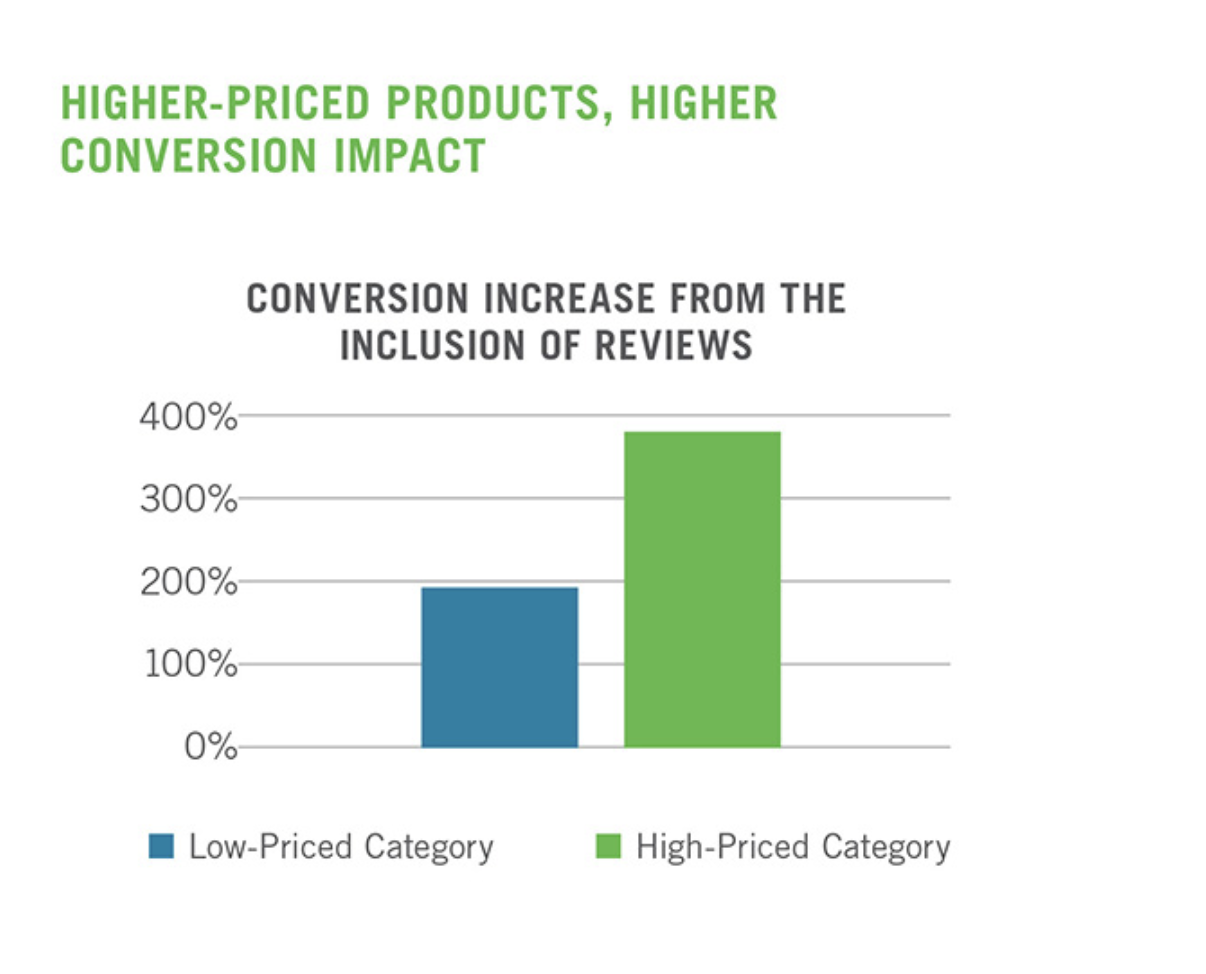
Displaying customer reviews, UGC, or star ratings prominently boosts perceived reliability. A study by Spiegel Research found that displaying reviews can increase conversion rates by 270%.
- Highlight verified reviews on product pages.
- Show customer photos or videos.
- Use badges like “Most Loved” or “Best Seller” for visual reinforcement.
Brand Storytelling
Let shoppers know who’s behind the product. Whether it’s a solo founder, a family mission, or a sustainability initiative—stories make brands memorable.
- Use the “About Us” page as a trust-building asset.
- Introduce the team or founder on social platforms.
- Emphasize values that align with your audience.
Third-Party Validation
Being featured in publications or podcasts acts as a credibility amplifier.
- Add “As Seen On” logos.
- Include pull quotes from reputable sources.
- Link to your features (improves SEO too!).
Engagement Metrics That Matter
Engagement isn’t just a vanity metric—it’s a predictive signal of intent. Before conversions happen, users demonstrate micro-behaviors that suggest how interested they are. By monitoring these actions, brands can spot friction points, test hypotheses, and double down on what’s working.
Here are the engagement KPIs DTC marketers should watch closely:
Time on Site
How long are users sticking around? A short session might indicate disinterest—or worse, confusion. On the flip side, longer sessions usually mean visitors are exploring, comparing, and considering.
- Use tools like Google Analytics or Mixpanel.
- Compare time spent by traffic source.
- Benchmark against your highest-converting pages.
Bounce Rate
If someone lands on a page and leaves without taking further action, that’s a bounce. High bounce rates on product or collection pages suggest a disconnect between user intent and your content.
- Ensure above-the-fold messaging aligns with ads or SEO titles.
- Add interactive elements like image galleries or product quizzes.
- Use exit-intent popups to capture emails.
Pages per Session
This tells you how deeply users are exploring your site. High pages per session often mean curiosity—but if conversions are low, it could also indicate confusion.
- Add breadcrumbs to ease navigation.
- Offer "Similar Products" carousels to guide discovery.
- Include internal links to collections, FAQs, or guides.
Scroll Depth
Scroll tracking helps you understand if users are consuming full pages—especially long-form product pages or landing pages.
- Use heatmap tools like Hotjar or Microsoft Clarity.
- Identify where drop-offs happen.
- A/B test content placement for critical messages.
Engagement Rate on Mobile
With 70%+ of DTC traffic often coming from mobile devices, you must monitor how mobile users behave differently.
- Are CTAs visible without scrolling?
- Are mobile forms or navigation clunky?
- Are thumb zones optimized for one-handed use?
Smart DTC brands don’t just collect data—they act on it. They identify what’s sticky and what’s slippery, then experiment their way into higher conversions.
Consideration Stage: Moving Toward Purchase
Now that you've captured attention and engaged your visitors, it's time to influence their decision-making. This is where the middle of the funnel earns its weight in gold. It’s your chance to convert curiosity into conviction.
Here’s how to help shoppers make confident, informed choices:
Educational Content
DTC shoppers want to feel smart, not sold to. Guides, how-tos, and comparison charts help bridge the gap between interest and action.
- Skincare brand? Share “How to Build a Routine Based on Skin Type.”
- Apparel store? Offer sizing guides, fabric breakdowns, or style lookbooks.
- Supplements? Show ingredient sourcing, lab reports, and benefit charts.
Email Flows and Lead Magnets
Email remains the king of mid-funnel nurturing. But only if you're segmenting wisely and personalizing intelligently.
- Use pop-ups to offer a 10% discount in exchange for email.
- Segment users by source, behavior, and interest.
- Build automated flows: Welcome > Education > Value > Urgency > Conversion.
Pro tip: Time your abandoned cart emails strategically—30 minutes, 24 hours, and 72 hours post-abandonment work well.
Retargeting Campaigns
Most users don’t convert on their first visit. Retargeting brings them back with contextual reminders.
- Serve dynamic ads with the exact products they viewed.
- Retarget video viewers with testimonial content.
- Use cart abandon reminders with personalized discounts.
Product Comparison and Buyer Guides
When options abound, analysis paralysis kicks in. Alleviate it with structured comparisons.
- Create landing pages for “Brand X vs. Us.”
- Use comparison tables highlighting key benefits.
- Share customer testimonials that match specific needs (“I switched from ___ to ___ and never looked back!”)
The goal here isn’t to push harder—it’s to support smarter. Provide everything your shopper needs to feel confident clicking “Add to Cart.”
Product Page Optimization
At the bottom of the consideration stage sits one of the most powerful (yet often overlooked) levers in your funnel: the product page.
A killer product page doesn’t just show—it sells. It answers questions, builds trust, and eliminates hesitation.
High-Quality Visuals
Imagery isn't just decoration—it’s conversion fuel.
- Use high-resolution photos from multiple angles.
- Include lifestyle shots for context.
- Add short demo videos or 360° views.
Conversion Copywriting
Forget boring specs. Use benefit-driven, emotion-packed copy that resonates with real-life pain points and desires.
- Start with the problem.
- Highlight the transformation.
- Include sensory language (“soft as clouds,” “zero stickiness,” “earthy undertone”).
Urgency + Scarcity
Shoppers respond to time-sensitive nudges.
- Use countdown timers for limited-time deals.
- Show low stock alerts (“Only 3 Left in Your Size!”).
- Highlight seasonal or limited-edition drops.
A well-optimized product page does more than inform—it converts. It shortens the journey from “maybe” to “mine.”
The Power of Email Marketing
Think email is old school? Think again. For every $1 spent, email returns an average of $42. In a DTC funnel, email is your relationship engine—nurturing leads, recovering carts, and driving repeat sales. Read more about the types of email campaigns for e-commerce.
Here’s how to weaponize your inbox strategy:
Welcome Sequences
First impressions matter. Your welcome series sets the tone and builds brand affinity.
- Email 1: Brand intro + hero product spotlight.
- Email 2: Value and social proof.
- Email 3: Lifestyle inspiration or quiz.
- Email 4: Time-sensitive discount.
Segmentation and Personalization
Don’t blast. Target.
- Segment by behavior (product viewed, time on site, carted but not purchased).
- Tailor emails with dynamic product blocks.
- Use first-name personalization and geolocation for hyper-relevance.
Post-Purchase Flows
The journey doesn’t end at purchase—it evolves.
- Send order confirmation with tracking and what-to-expect.
- Follow up with usage tips, care instructions, or tutorials.
- Ask for reviews and referrals after 7-14 days.
Retention Campaigns
Drive second orders with thoughtful check-ins.
- “It’s Been 30 Days—Time to Re-Up?”
- “You Bought This, You Might Love That.”
- “VIP Sale—You’re First to Know.”
Treat your list like gold. Nurture it. Respect it. And most importantly—provide value before asking for action.
Retargeting Strategies That Work
The harsh truth? Most of your traffic won’t convert on their first visit. But that doesn’t mean all is lost. Retargeting is your golden second chance—your opportunity to re-engage with warm prospects, remind them what they loved, and nudge them to return and complete the action.
Here’s how the most successful DTC brands approach retargeting with surgical precision:
Pixel-Based Retargeting
By leveraging advanced analytics with Admetrics, you can build highly effective custom audiences based on detailed user behaviors—like visiting specific product pages, adding items to cart, or spending significant time on your site.
With admetrics.io, you gain powerful insights into ad performance, customer journeys, and conversion rates in real-time. This helps you:
- Track Conversions with Precision: admetrics.io automatically attributes conversions to the right ad campaigns, channels, and even creative variants, so you know exactly what’s driving sales.
- Segment Audiences More Effectively: Create granular segments—such as users who viewed but didn’t add to cart, abandoned their carts, or made repeat purchases.
- Optimize Retargeting:
- Viewed but didn’t add to cart? Use admetrics.io data to serve testimonials, social proof, or benefit-first ad creatives that address objections and drive action.
- Abandoned cart users? Trigger dynamic retargeting ads with special discounts or limited-time offers tailored to their abandoned items.
- Loyal buyers? Identify repeat purchasers and upsell bundles, exclusive offers, or referral incentives.
By combining pixel-based retargeting with admetrics.io’s advanced analytics, you ensure your ads are always reaching the right audience at the right time, maximizing conversions and ROAS.
Dynamic Retargeting Ads
These ads automatically pull the exact product a user viewed or carted and display it in ads across platforms like Facebook, Instagram, and Google Display Network.
- Pair with messaging like “Back in Stock” or “Last Chance to Save.”
- Use carousel formats to showcase product features or color variants.
Retargeting With Value, Not Just Discounts
Too many brands rely solely on discounting. Instead, use content, reviews, or bundles to push value.
- Case study ad: “See How Jessica Solved X Problem With Our Product.”
- Bundle ad: “Everything You Need in One Pack—Free Shipping Included.”
- Brand mission ad: “Why We Created This—And Why It Works.”
Cross-Channel Consistency
Your retargeting experience should feel cohesive, not chaotic.
- Use consistent design and voice across emails, ads, and SMS.
- Retarget across multiple touchpoints: Meta, TikTok, Google, and email.
- Exclude converted users to avoid waste and fatigue.
Retargeting isn’t about being pushy—it’s about being present when your customer is ready. Strike the balance between urgency and empathy, and you’ll close more deals with grace.
Deepening Engagement with Content
The best DTC brands don’t just sell products—they educate, inspire, and entertain. When you turn your brand into a trusted resource, you deepen engagement and increase the likelihood of conversion.
Content as a Sales Tool
Great content anticipates objections, answers questions, and connects emotionally.
- “How to Choose the Best [Product Type] for Your Needs.”
- “Why We Don’t Use [X Ingredient] in Our Formula.”
- “Customer Stories: How [Name] Solved [Problem] with [Your Product].”
This type of content works brilliantly in both organic search and email flows.
Blog Strategy That Converts
Don’t blog for the sake of blogging. Write to serve and convert.
- Use keyword research to identify buyer-intent queries.
- Include CTAs within your posts: product banners, inline links, sticky bars.
- Add “Shop Now” carousels at the end of relevant articles.
Product-Focused Content
Instead of generic inspiration, focus content around actual offerings.
- Styling guides for fashion brands.
- Recipe content for food & beverage products.
- Maintenance tips for home goods or tools.
User-Generated Content (UGC) and Community
Nothing deepens engagement quite like content from your customers.
- Showcase customer reviews on blogs and landing pages.
- Feature real customers on Instagram, TikTok, or in newsletters.
- Run challenges or contests to generate fresh UGC on demand.
Interactive Content
Quizzes, calculators, and assessments increase time on site and collect valuable data.
- “Which [Product] Is Right for You?”
- “Build Your Custom Routine in 60 Seconds.”
- “Estimate How Much You’ll Save With Our Subscription.”
When done right, content acts as the bridge between attention and action—and builds brand equity along the way.
Conversion Stage: Sealing the Deal
This is where the magic happens—when a user transforms into a customer. But that final click doesn’t happen in a vacuum. It’s often the result of strategic persuasion, zero friction, and emotional reinforcement. Here are the 7 most effective surveys for e-commerce-brands.
Let’s lock in those conversions with these proven tactics:
Streamlined Checkout UX
The #1 rule? Don’t make users think.
- Use a one-page checkout.
- Enable guest checkout—no account required.
- Show progress indicators to reduce anxiety.
Multiple Payment Options
Don’t let friction kill your sale at the final gate.
- Offer major cards, PayPal, Apple Pay, Google Pay.
- Add BNPL options like Klarna or Afterpay.
- Show secure checkout badges and trust signals.
Offer-Based Nudges
Sweeten the deal, but stay on-brand.
- Free shipping thresholds: “You’re $10 Away From Free Shipping.”
- Countdown timers for limited-time sales.
- Bundles: “Buy 2, Save 15%.”
Exit-Intent Offers
If a user is about to bounce—give them a reason to stay.
- Popups with “Before You Go, Here’s 10% Off.”
- Offer a smaller product or sample instead.
- Use chatbots to ask, “Still Have Questions?”
Social Proof in the Final Hour
Humans are herd animals—especially when it comes to buying.
- Show recent purchases (“Jessica in Austin just bought this”).
- Include reviews above and below the fold.
- Highlight media features or celeb endorsements.
Checkout Flow Best Practices
You’ve invested in ads, refined your funnel, built trust, and finally got your prospect to click “Checkout.” But here’s the brutal truth: every additional click, form field, or hesitation point is a conversion killer. The final step of your funnel must be laser-focused on one thing—completion.
Here’s how to build a high-converting, friction-free checkout flow:
Simplify, Then Simplify Again
Your checkout should feel like a smooth slide—not a hurdle race.
- Use one-page checkouts if possible. Reduce the number of steps to the bare minimum.
- Autofill fields using browser data or APIs (like Google Places for addresses).
- Progress indicators help reduce anxiety, especially on multi-step flows.
Enable Guest Checkout
Forcing account creation is one of the leading causes of cart abandonment.
- Offer guest checkout by default.
- Encourage account creation after purchase with benefits like order tracking or loyalty rewards.
Transparent Pricing
No one likes surprises—unless it’s a discount.
- Display shipping, taxes, and fees upfront.
- Use calculators or estimates in cart views.
- Clearly show applied discounts and coupon codes.
Multiple, Secure Payment Methods
Trust is paramount. Offer payment flexibility and safety.
- Include credit/debit, PayPal, Apple Pay, and BNPL like Afterpay.
- Highlight trust badges (“SSL Secured,” “Trusted by 10,000+ customers”).
- Display third-party verifications like Norton or McAfee Secure.
Use Smart Microcopy
Strategic phrasing can eliminate doubt.
- “You can always return it for free” near the payment button.
- “Safe and encrypted” under the card number field.
- “Delivered in 3–5 business days” beside shipping options.
Live Support at Checkout
Consider adding live chat or a chatbot in the checkout flow.
- Address common questions instantly.
- Rescue users who hesitate or stall at payment input.
- Offer assistance with shipping or returns to reduce exit risk.
Checkout is the moment of truth. Remove resistance, anticipate fears, and guide users with confidence. Make it easy, make it fast, and make it feel safe.
Using Social Proof for Final Push
When users hover over the "Place Order" button, their brain is subconsciously asking: “Is this the right choice?” Social proof serves as that last reassuring nod—“Yes, it is.”
Here's how to use social validation at the point of conversion:
Customer Reviews and Ratings
Display reviews directly in the checkout summary or sidebar.
- Highlight reviews that mention speed of delivery, product quality, or first-time experience.
- Use star ratings next to the product name in the cart.
- Include review counts like “4.8/5 based on 2,193 verified reviews.”
Live Purchase Notifications
Real-time social proof increases urgency and trust.
- “Emily in Toronto just bought this 4 minutes ago.”
- “27 people are viewing this item right now.”
- Use apps like Fomo or Beeketing to automate these prompts.
“Best Seller” or “Fan Favorite” Labels
Sometimes, people just need a little nudge from the crowd.
- Label top-selling products with badges.
- Use phrases like “Chosen by 25,000+ happy customers” or “Top Rated in [category].”
- Reinforce “You’re in Good Company” messaging.
Conclusion
Mastering the e-commerce funnel is not about tricking your customer—it's about understanding them. Every click, scroll, and hesitation offers insight. The best DTC brands listen. They analyze. And most importantly, they optimize.
From the spark of awareness to the delight of delivery, your funnel must be built with empathy, data, and frictionless design. Small tweaks yield big gains—especially when multiplied across thousands of touchpoints.
In this guide, we’ve uncovered the playbook—from engaging cold traffic to converting hesitant buyers, from storytelling to checkout UX. The journey doesn't end at the sale—it evolves into loyalty, advocacy, and retention.
Your next step? Audit your current funnel. Identify bottlenecks. Implement one improvement per stage. Test. Learn. Repeat.
Because in the world of DTC, the funnel isn’t a fixed path—it’s a living system. Treat it like one, and you won’t just make more sales—you’ll build a brand that lasts.
FAQs About the E-Commerce Funnel
What is an e-commerce funnel and how does it work?
An e-commerce funnel maps the stages a customer goes through before purchasing—starting from brand awareness to post-purchase retention. It works by guiding prospects through a series of intentional steps, optimizing each phase to reduce friction and increase conversions.
How many stages are in an e-commerce funnel?
Typically, there are four key stages:
- Awareness – when customers first discover your brand.
- Consideration – when they compare options and evaluate your product.
- Conversion – when they make a purchase.
- Retention – when they return for repeat purchases or refer others.
Why is optimizing each funnel stage important for DTC brands?
Because DTC brands own the entire customer relationship, they can personalize experiences at every step. Optimizing each stage reduces customer acquisition cost (CAC), increases average order value (AOV), and improves customer lifetime value (CLTV).
How can I reduce drop-offs at the checkout stage?
Simplify your checkout flow with guest checkout, fewer form fields, mobile optimization, transparent pricing, and multiple secure payment options. Use trust signals and exit-intent popups to keep hesitant users engaged.
What tools help visualize and improve the funnel?
Use tools like Google Analytics, Hotjar, Klaviyo, and Triple Whale to track user behavior, build segments, test variations, and identify friction points. Funnel visualization reports and heatmaps are especially valuable.
Is retargeting necessary if I already have email flows?
Yes. Retargeting complements email by reaching users where they are—social media, YouTube, display ads—especially those who haven't opted in yet. Combining both creates a robust mid-funnel strategy.
How often should I test or optimize my funnel?
Optimization should be ongoing. Review analytics weekly, run A/B tests monthly, and do full audits quarterly. Consumer behavior evolves, and so should your funnel.
How does content marketing fit into the funnel?
Content builds authority in the awareness and consideration stages. Educational blog posts, product guides, and customer stories help inform and engage users, priming them for purchase.
What's the difference between a sales funnel and an e-commerce funnel?
A sales funnel is usually associated with high-touch B2B or lead-gen models. An e-commerce funnel is product-driven, conversion-optimized, and tailored to DTC or retail environments, focusing on scale, automation, and personalization.
Can UGC (user-generated content) influence conversions?
Absolutely. UGC builds trust and authenticity. It shows real people using your product, which validates your brand and reduces buyer hesitation—especially during the consideration and conversion phases.