Black Friday and Cyber Monday are no longer confined to a single channel. Shoppers move seamlessly from Instagram to Amazon, from email promotions to in-store pickup. For brands, this means that winning during BFCM 2026 requires being everywhere the customer is—while delivering a unified, consistent experience.
This is the essence of an omni-channel strategy. It’s not just a buzzword; it’s a critical framework for maximizing BFCM revenue, building loyalty, and ensuring customers see your brand as trustworthy, wherever they shop. In this article, we’ll explore how to craft an omni-channel approach that integrates marketplaces, social platforms, direct mail, and lifecycle marketing into one cohesive growth engine.
Why Omni-Channel Is Essential for BFCM 2026
Today’s consumer journey is fragmented. A customer might discover a product on TikTok, price-check on Amazon, browse reviews on your website, and finally purchase via Instagram Shop. If your brand isn’t present across these touchpoints—or worse, if the experiences feel disconnected—you risk losing the sale entirely.
Omni-channel strategies solve this by aligning channels into a seamless commerce experience. Real-time inventory synchronization prevents overselling. Mobile-first design ensures a smooth experience across devices. Consistent customer support builds trust, while unified data enables personalization that feels effortless to the shopper.
The payoff is significant: omni-channel customers typically spend more, convert faster, and return more often. For BFCM 2026, ignoring this approach is no longer an option.
Building Blocks of a Strong Omni-Channel Strategy
A successful omni-channel strategy begins with integration. Inventory, order management, and customer data should flow freely across platforms. When a shopper adds to cart on your website, the same product should reflect as available on marketplaces and social shops.
Mobile is now the center of discovery. With 69% of shoppers using mobile devices to find products during BFCM, optimizing mobile UX is critical. This means streamlined navigation, simplified checkouts, and fast-loading pages tailored to smaller screens.
Social commerce is another pillar. Platforms like Instagram, TikTok, and Facebook increasingly enable in-app shopping, making it possible to convert customers without ever leaving the feed. Pairing this with user-generated content (UGC) and influencer-led campaigns can create powerful conversion drivers.
Finally, consistency in customer service is vital. Whether through live chat, social DMs, or email, your tone and responsiveness should feel uniform across every channel. This not only resolves issues quickly but also reinforces trust in the brand.
Marketplaces as Revenue Multipliers
Marketplaces remain some of the most powerful growth engines for BFCM 2026. They combine vast reach with built-in trust, allowing brands to scale faster than through direct channels alone.
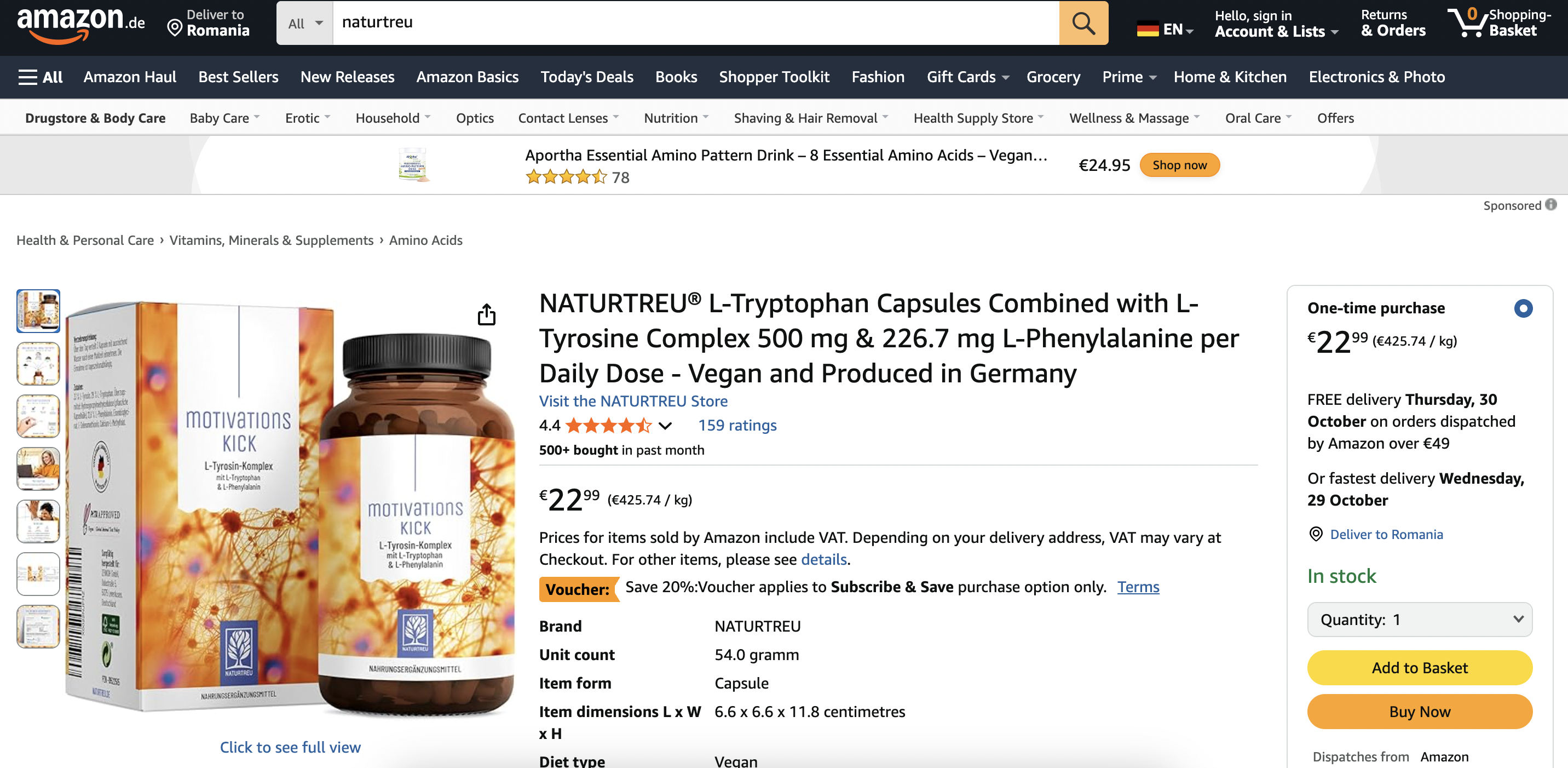
Amazon dominates globally, with over 300 million active customers and unparalleled purchase intent. Fulfillment by Amazon (FBA) makes logistics seamless, though competition is fierce.
Zalando stands out in Europe for its fashion-forward positioning and sustainability initiatives. For DTC lifestyle and apparel brands, it offers access to a style-conscious audience that values both trends and responsibility.
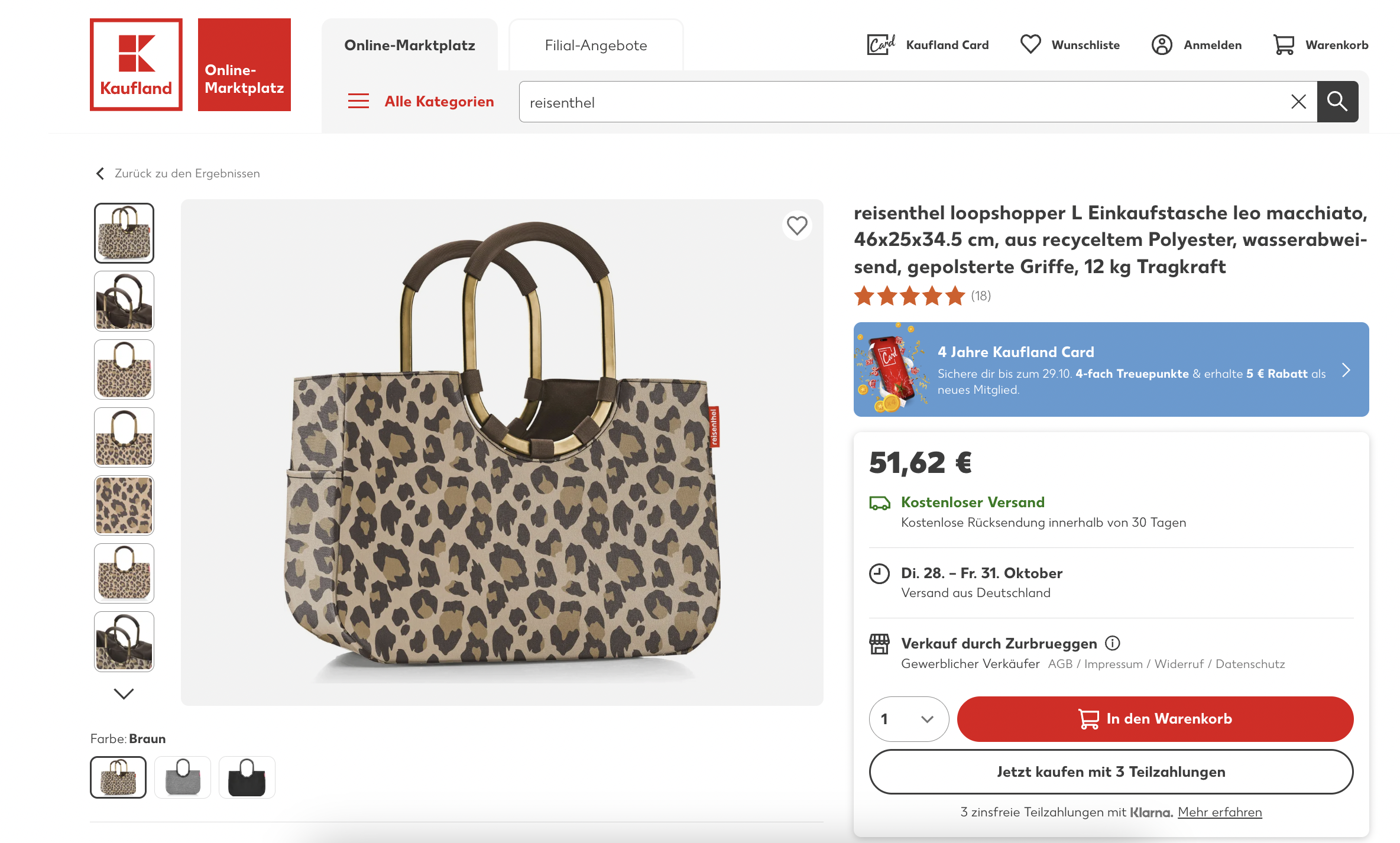
Kaufland, with its strong German and European presence, is rapidly expanding its online marketplace. It provides localized marketing opportunities and cultural reach for DTC brands aiming to grow within Europe.
Otto, one of Europe’s most established platforms, brings long-standing consumer trust across a broad range of categories. For brands, Otto is a way to access millions of shoppers already conditioned to buy through the platform.
Real-world examples underscore the opportunity. Paul Valentine boosted visibility through Otto, Bumpli leveraged Kaufland to expand in Germany, and Health Routine scaled from seven to eight figures with Amazon as part of their mix. Each story demonstrates how marketplaces can act as accelerators during BFCM when demand is at its peak.
Direct Mail: The Offline Secret Weapon
While digital dominates BFCM campaigns, direct mail is quietly making a comeback. In an era of overflowing inboxes and endless social ads, a tangible, well-designed piece of mail can cut through the noise.
Direct mail builds a personal connection. Holding a physical offer or branded card creates a sense of authenticity and effort that digital touchpoints sometimes lack. It also integrates smoothly with digital: QR codes, personalized URLs, and unique promo codes bridge the offline-online gap, making tracking and attribution straightforward.
Brands from Nestlé to Lexus have shown the creativity possible with direct mail, turning ordinary postcards into memorable experiences. The Economist even used brain-shaped balloons in a mail campaign to symbolize knowledge expansion. For BFCM 2026, mixing direct mail into the channel strategy can be the differentiator that boosts response rates and brand recall.
Lifecycle Marketing Within Omni-Channel
Omni-channel isn’t just about reach; it’s about guiding customers through their lifecycle. Awareness campaigns may start on social platforms, engagement happens via email or retargeting, conversion takes place on-site or in a marketplace, and retention is nurtured through loyalty programs.
The power lies in connecting these stages. Data segmentation allows brands to personalize offers based on customer history. Retargeting ensures high-intent visitors return. Loyalty programs and exclusive deals for repeat buyers reinforce retention and advocacy.
Paul Valentine illustrates the potential. By integrating Admetrics’ Efficiency Score into their omni-channel strategy, they improved Marketing Efficiency Ratio (MER) by 22%. This gave them a unified view of customer journeys and the agility to adjust campaigns across both paid and organic channels.
Preparing for Social Media Advertising
As omni-channel expands, social media remains the beating heart of discovery and engagement. In 2021, global ad spend on social media hit $153 billion, making it the second-largest digital ad category after search. Google and Meta still dominate, but platforms like TikTok are reshaping how consumers find and interact with products.
Mobile is the undisputed leader: nearly 70% of BFCM product discovery happens on mobile, and Gen Z and Millennials now use social media more than search engines to find brands. This makes preparing your social campaigns—both organic and paid—an essential part of omni-channel readiness.
The lesson is clear: BFCM 2026 is not about choosing between channels but integrating them. Social media ads, marketplaces, direct mail, and owned channels must all work together to create a seamless brand experience.
Conclusion
Omni-channel is no longer optional. For BFCM 2026, it is the foundation of competitive advantage. Brands that integrate marketplaces, social commerce, direct mail, and lifecycle marketing into a cohesive strategy will not only capture more sales but also create lasting relationships with their customers.
The challenge is managing complexity across channels. The solution lies in unifying data and measuring performance consistently. With tools like Admetrics Data Studio, brands can align every touchpoint, monitor efficiency, and scale with confidence across the entire omni-channel ecosystem.
FAQ: BFCM Omni-Channel Strategy
What is a BFCM omni-channel strategy?
It’s an integrated approach that ensures shoppers experience your brand consistently across websites, marketplaces, social platforms, and offline touchpoints.
Why are marketplaces important for BFCM?
They combine massive reach with consumer trust, giving DTC brands instant scale during the peak shopping season.
Does direct mail still work for BFCM?
Yes. Direct mail stands out against digital clutter and integrates with online campaigns through QR codes and personalized offers.
How do you measure omni-channel success?
Track lifecycle KPIs such as conversion rates, CLV, and retention across all active channels, and use attribution or MMM models to understand true impact.